
They say actions speak louder than words, yet ironically, the tongue piercing remains one of the most silently loud statements a person can make.
Nestled behind a smile or flashed mid-conversation, the tiny piece of metal lodged in the tongue has intrigued, shocked, and fascinated people for decades. It’s not as visible as a nose ring or as common as an ear stud, and yet it carries an edge that’s hard to ignore.
Whether it’s a fashion-forward move, a deeply personal statement, or just a spontaneous decision after a few too many drinks, tongue piercings have cemented their place in body art culture.
But what’s the real story behind the stud? Why do people willingly allow someone to push a needle through their tongue? Let’s explore the who, what, and most curiously why of tongue piercings.
What Is the History Behind Tongue Piercings?
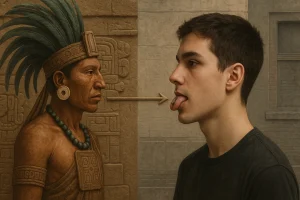
While some may think tongue piercings are just another Gen Z trend, their origins stretch back centuries far beyond social media trends or celebrity influence.
Tongue piercings were historically practised by the Aztecs and the Mayans during religious rituals. In these cultures, the act of piercing the tongue wasn’t about personal style but spiritual sacrifice.
Shamans would pierce their tongues to communicate with the gods, believing the pain and bloodshed enhanced their visions and opened channels to the spiritual world.
In more modern times, particularly from the 1980s onwards, the tongue piercing resurfaced, this time in Western subcultures. Fuelled by punk rockers, alternative fashion movements, and the broader body modification scene, tongue piercings became symbolic of rebellion, freedom, and nonconformity.
The trend gained even more traction in the ’90s and 2000s, with celebrities flaunting their jewellery and popularising the look.
In the UK, the trend became widespread among youth and urban dwellers, many of whom were inspired by music icons, underground cultures, or simply a desire to stand out.
Why Do People Choose to Pierce Their Tongue?
The reasons people choose to get their tongue pierced are as varied as the jewellery itself. Some view it as an aesthetic enhancement, while others see it as a form of personal identity. For many, it’s both.
For starters, tongue piercings aren’t always visible. That alone makes them appealing to people who want a body modification that’s both expressive and discreet. You can flash it when you like, hide it when you don’t. It’s the chameleon of piercings.
There’s also the undeniable cool factor. In youth culture, particularly in the UK, piercings are often seen as marks of individuality or edginess. A tongue piercing adds an extra layer of personality without being overtly in your face.
Some individuals associate the piercing with sensuality, seeing it as a subtle yet provocative statement. While not everyone pierces their tongue for sexual reasons, the association exists and can be part of the motivation.
Others do it simply for the thrill. The idea of doing something unconventional, especially during transitional phases of life, finishing exams, turning 18, starting university, can push people to make bold decisions. And sometimes, yes, it’s just on a whim.
Who Typically Gets Tongue Piercings in the UK?

In the UK, tongue piercings are more common among people aged 18 to 30, with slightly more popularity among women. But it’s not exclusive to any gender or age group.
Urban centres like London, Manchester, and Liverpool tend to see a higher concentration of people with tongue piercings. This could be attributed to greater exposure to alternative fashion, music scenes, and simply more piercing studios per square mile.
It’s also notable that the piercing is a favourite among college students and young adults. It’s often associated with transitional milestones—a way to mark independence, celebrate freedom, or simply try something new before “settling down”.
Though once considered taboo in professional environments, the discreet nature of tongue piercings has made them more acceptable in workplaces, especially in creative or informal industries.
What Are the Different Types of Tongue Piercings Available?
While the classic vertical midline tongue piercing remains the most common, there are several variations for those wanting something a little different.
| Type | Description |
| Midline | A single vertical piercing through the tongue centre |
| Snake Eyes | A horizontal piercing near the tip of the tongue |
| Venom Piercings | Two separate piercings placed symmetrically |
| Side Piercing | Off-centre placement on one side of the tongue |
| Surface Tongue | A horizontal surface bar embedded into the tongue |
Each type carries its own aesthetic and anatomical considerations. Snake Eyes, for instance, are highly controversial due to potential nerve and muscle damage. Venom piercings offer symmetry, while the midline remains popular for its simplicity and faster healing.
The type of jewellery used also varies. Beginners typically start with a longer barbell to accommodate swelling. Later, this is swapped for a shorter, more comfortable fit. Materials such as surgical steel and titanium are preferred for safety and longevity.
Does a Tongue Piercing Hurt, and How Long Does It Take to Heal?
Pain is subjective, but many people are surprised by how quick the process is. The actual piercing takes seconds. Most report a sharp pinch rather than an unbearable pain. What follows, however, is the swelling, usually lasting between 3 to 5 days.
Speech may be affected temporarily, and some foods may become a challenge. But the tongue is one of the fastest-healing parts of the body. On average, a tongue piercing takes about 4 to 6 weeks to fully heal, assuming proper aftercare is followed.
Aftercare includes rinsing with a saline solution or alcohol-free mouthwash, avoiding spicy or acidic foods, and not playing with the jewellery. Smoking and alcohol consumption should also be avoided during the initial healing phase.
What Are the Benefits and Risks of Getting a Tongue Piercing?
While tongue piercings offer personal and aesthetic benefits, they’re not without risks. Anyone considering one should weigh both sides carefully.
Benefits:
- A form of self-expression and individuality
- Enhances personal style
- Can be kept discreet if needed
- Feels empowering or symbolic to many
Risks:
- Swelling and discomfort during healing
- Potential for infection if hygiene is poor
- Risk of dental damage from biting the jewellery
- Allergic reaction to certain metals
Proper placement and professional piercing greatly reduce these risks. It’s vital to choose a licensed studio and follow all care instructions to avoid complications.
How Does Society View Tongue Piercings Today?

Public perception of tongue piercings has shifted over the years. Once viewed as rebellious or inappropriate, they are now increasingly accepted as part of mainstream fashion.
In professional settings, as long as the piercing doesn’t interfere with speech or hygiene, it’s rarely an issue. Many people now see piercings as personal choices rather than statements of rebellion. That said, the association with sexuality or subculture still lingers, depending on context.
In some circles, the piercing remains a sign of boldness or nonconformity, especially among those who embrace alternative lifestyles. In others, it’s seen as no more shocking than an ear piercing.
Is Getting a Tongue Piercing Worth It?
Ultimately, the decision to get a tongue piercing boils down to personal motivation. If you’re doing it for yourself for style, sentiment, or simply because you fancy a change, then it’s likely to be a rewarding experience.
However, it’s worth considering the following before making the leap:
- Can you commit to a few weeks of diligent aftercare?
- Are you aware of the health risks and how to avoid them?
- Does your workplace or lifestyle permit such a piercing?
- Have you chosen a reputable piercing studio?
If the answer is yes across the board, then a tongue piercing might just be the perfect mix of edge and elegance for you.
FAQs About Tongue Piercings
Are tongue piercings still fashionable in 2025?
Yes. While not as trendy as during the early 2000s, tongue piercings remain popular among young adults, especially in urban UK areas.
Is there an age limit for tongue piercings in the UK?
You must be at least 18 to get a tongue piercing without parental consent. Some studios offer them at 16 with documented parental permission.
How soon can you change the jewellery?
It’s best to wait at least 6 to 8 weeks before changing your jewellery to avoid disrupting the healing process.
Can tongue piercings cause long-term dental issues?
If improperly placed or poorly maintained, yes. However, with proper care and quality jewellery, risks are minimal.
What foods should be avoided after getting pierced?
Spicy, acidic, crunchy, or hot foods should be avoided during the first week. Soft, cool foods like yoghurt or smoothies are ideal.
How do I know if my tongue piercing is infected?
Signs include persistent swelling, yellow or green discharge, foul smell, and intense pain. If symptoms persist, consult a healthcare provider.
Can I talk normally after a tongue piercing?
Most people experience a temporary lisp or difficulty speaking clearly for the first few days. Normal speech usually resumes after swelling subsides.