
Why is basa fish banned in the UK? Is it really unsafe to eat, or are the concerns exaggerated? Why do some supermarkets avoid stocking it, while others sell it with sustainability labels?
These questions are common among UK consumers who encounter mixed messages about basa, also known as pangasius, swai, or river cobbler. The reality is that basa fish is not officially banned in the UK, but it faces close scrutiny due to environmental issues, questionable farming practices, and food safety concerns.
In some countries, imports have been flagged for containing antibiotics or contaminants, but UK authorities state that supermarket basa generally complies with safety standards.
This article explores the reasons behind basa’s controversial reputation, why it is restricted in some places, and what British shoppers should know before buying or consuming it.
What Is Basa Fish and Why Has It Become Controversial?
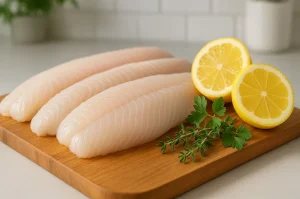
Basa (Pangasius bocourti) is a freshwater catfish native to the Mekong River Basin in Vietnam and Cambodia. It rose to international popularity because of its affordability, mild taste, and versatility.
Unlike cod or haddock, which are primarily wild-caught in colder waters, basa is farmed intensively in Southeast Asia.
This large-scale aquaculture makes it significantly cheaper, often marketed as a low-cost substitute for more traditional white fish.
However, controversy surrounds the way basa is farmed. Open cage systems in polluted rivers, combined with high stocking densities, create an environment where disease is common.
Farmers often use antibiotics, chemical treatments, and growth enhancers to maintain production levels. In several instances, tests in Europe and the US detected residues of veterinary drugs and contaminants above legal limits.
This has led to tighter scrutiny in markets like the UK, where food standards are strictly regulated.
Is Basa Fish Banned in the UK?
Contrary to popular belief, basa is not banned in the UK. The Food Standards Agency (FSA) oversees seafood imports to ensure compliance with legal food safety limits. Each shipment of basa must pass tests before entering the market, and if it fails, the fish is rejected, destroyed, or returned to the exporter.
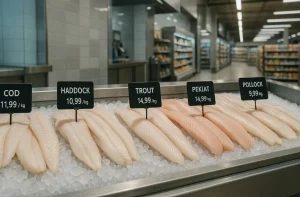
The confusion arises from the fact that basa is far less available in the UK compared to other white fish. While it can be found in certain supermarkets, frozen food outlets, and restaurants, it is not as commonly stocked as cod, haddock, or pollock.
This scarcity, combined with negative media coverage and environmental campaign reports, has fuelled the impression that basa is banned.
What Environmental Concerns Are Linked to Basa Farming?
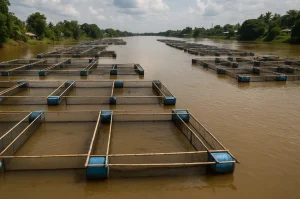
Environmental sustainability is one of the strongest criticisms of basa aquaculture. Unlike traditional fisheries, basa is farmed in tropical rivers using open cage and pond systems. These practices have raised several concerns.
Large-scale basa farming often results in untreated wastewater discharge directly into rivers. With millions of fish concentrated in relatively small farming areas, excess feed, faeces, and chemicals accumulate, deteriorating water quality.
This not only affects the farmed fish but also contributes to pollution that impacts local ecosystems and communities relying on these rivers.
Overcrowding is another issue. Fish density in basa ponds is significantly higher than in more sustainable aquaculture systems. Overcrowding increases the risk of disease outbreaks, which encourages greater reliance on antibiotics and chemical treatments.
The ecological consequences extend beyond the farms, as river ecosystems become less capable of self-regeneration under constant waste and chemical exposure.
Why Are Basa Farming Practices Questioned?
The intensive farming practices behind basa production are at the heart of food safety debates. In poorly managed farms, antibiotics and veterinary drugs may be used indiscriminately to prevent disease or accelerate growth.
Some of these substances are restricted or banned in countries like the UK, EU, and the United States.
International food safety alerts have highlighted cases where basa samples contained residues of veterinary drugs beyond acceptable limits. In Vietnam, for instance, aquaculture watchdogs have flagged recurring problems with chemical use.
These concerns explain why regulators such as the FSA impose strict import checks.
In the UK context, supermarket basa has not been found to contain dangerous contaminants in official tests. Still, the inconsistency of farming standards across exporting countries raises legitimate concerns.
For many consumers, the problem is not whether some basa is safe, but whether all basa can be trusted to meet the same standards.
Are There Food Safety Risks in Eating Basa Fish?

Food safety concerns extend beyond antibiotics. Studies have identified bacterial contamination, including Listeria monocytogenes and Salmonella, in certain basa shipments. Poor water quality in farming regions also increases the risk of heavy metals and industrial chemicals being absorbed into the fish.
To address these risks, UK authorities apply strict import controls. The Food Standards Agency, together with the European Food Safety Authority prior to Brexit, routinely tested seafood imports to ensure they complied with limits on contaminants, drug residues, and pathogens.
When basa is available in UK supermarkets, it usually comes from farms that meet international certifications, making it significantly safer than unregulated sources.
Still, the perception of risk remains strong, partly due to the uneven global record of basa safety and partly because consumer trust is easily undermined when it comes to food production transparency.
How Does Mislabeling Add to the Confusion About Basa?
Another reason basa has attracted controversy is mislabeling. It is often sold under alternative names such as swai, panga, or river cobbler. In some cases, restaurants and wholesalers have been accused of passing off basa as more expensive fish like cod or sole.
This practice has eroded trust. Consumers who believe they are eating a premium fish may feel deceived when they discover it was actually inexpensive basa. Moreover, mislabeling makes it difficult for buyers to know whether the fish they are eating was responsibly farmed or came from a less regulated source.
How Can Consumers Identify Safer Basa Options?
Although basa is controversial, not all basa is unsafe. Responsible farming practices are increasingly promoted through sustainability certifications. Shoppers can look for the following labels when buying basa in the UK:
| Certification | Organisation | Assurance Provided |
| ASC (Aquaculture Stewardship Council) | Independent non-profit | Ensures environmentally responsible and socially ethical farming |
| BAP (Best Aquaculture Practices) | Global Seafood Alliance | Covers environmental responsibility, animal health, food safety, and worker welfare |
These certifications indicate that the fish has been farmed under stricter conditions, reducing the risks associated with pollution, antibiotic misuse, and traceability problems. Certified basa is more likely to meet the standards expected by British consumers and regulators.
What Should UK Consumers Do About Basa?
UK consumers who wish to eat basa should approach it with informed caution. Checking packaging for ASC or BAP labels is a practical way to identify safer, responsibly farmed fish. Supermarkets that source from certified suppliers generally provide more transparency about the origin of their seafood.
Beyond labelling, consumers can rely on resources like the Marine Conservation Society’s Good Fish Guide, which offers advice on sustainable seafood choices. This guide categorises fish species according to their environmental impact, giving shoppers the information needed to make ethical and sustainable decisions.
For those who remain uncomfortable with basa, there are several alternatives. White fish such as pollock, hake, cod, haddock, and UK-farmed rainbow trout are widely available and often carry sustainability certifications of their own.
Choosing these alternatives allows consumers to enjoy similar nutritional benefits without engaging in the controversies surrounding basa.
What Are the Best Alternatives to Basa Fish in the UK?
Basa is often chosen for its affordability, but the UK offers several alternatives that balance cost, taste, and sustainability.
| Fish | Availability in UK | Price Range | Sustainability |
| Pollock | Widely available in supermarkets | Low–Medium | Often certified as sustainable |
| Hake | Increasingly popular in UK markets | Medium | Good sustainability ratings |
| Haddock | Traditional British favourite | Medium–High | Certified stocks available |
| Cod | Common in fish and chip shops | Medium–High | Overfishing concerns for some stocks |
| Rainbow Trout | Farmed in the UK | Medium | High sustainability if locally farmed |
These species provide similar culinary uses to basa but generally come with stronger environmental and food safety assurances.
Should Basa Fish Be Avoided Altogether in the UK?
The decision to eat basa in the UK depends on personal comfort levels with risk and sustainability. On the one hand, UK-sold basa is not inherently unsafe, since it undergoes rigorous checks and is often sourced from certified farms.
On the other, legitimate concerns about global farming practices, pollution, and antibiotic use cannot be ignored.
For cautious consumers, avoiding uncertified basa and opting for alternative white fish may feel like the safest option. For those who do buy basa, ensuring it carries ASC or BAP certification provides a measure of assurance that it has been farmed responsibly and tested for safety.
Ultimately, basa fish is not banned in the UK, but its controversial background means it requires more consumer awareness than other fish species.
FAQs About Basa Fish in the UK
Is basa fish banned in the UK?
No, basa is not banned. It is allowed in the UK but subject to strict food safety checks before reaching supermarkets.
Why is basa fish controversial?
Basa is controversial due to environmental pollution from farming, use of antibiotics and chemicals, and occasional contamination in international shipments.
Has UK testing found unsafe levels of contaminants in basa?
Tests on basa sold in UK supermarkets have not shown toxic contamination, although problems have been reported in other countries.
Why is basa sometimes called swai or river cobbler?
These are alternative names used for marketing. In some cases, mislabelling has misled consumers into thinking they were eating cod or sole.
How can I ensure the basa I buy is safe?
Look for certification labels such as ASC or BAP, which indicate more responsible and traceable farming practices.
What role does the Marine Conservation Society play in seafood safety?
The MCS provides the Good Fish Guide, which helps consumers choose fish species that are sustainable and responsibly sourced.
What fish can replace basa in the UK?
Pollock, hake, haddock, cod, and farmed rainbow trout are good alternatives that are more transparent in terms of safety and sustainability.
READ NEXT: