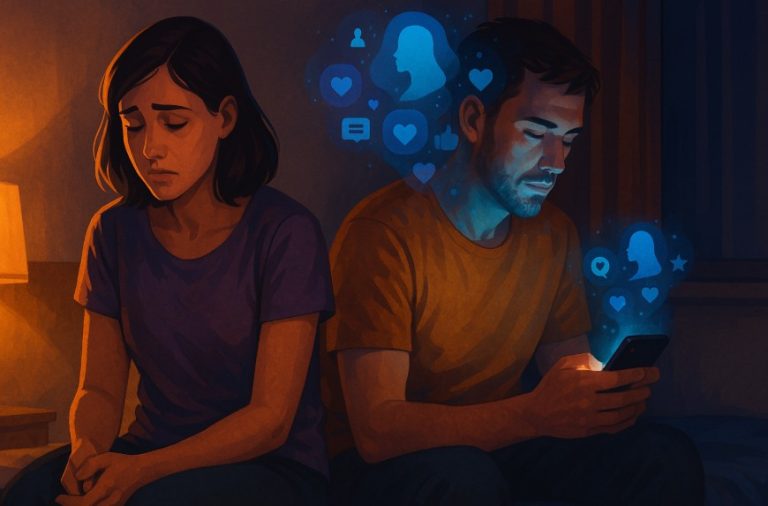
Being in a romantic relationship is often portrayed as a milestone, something to be celebrated, shared, and embraced openly.
But what happens when the opposite occurs? What if someone feels uncomfortable, awkward, or even ashamed about the fact that they have a boyfriend? Though it may seem unusual to some, many people, especially teenagers and young adults, experience exactly this.
Why is having a boyfriend embarrassing? The answer isn’t simple. It’s tied to emotional vulnerability, social judgement, personal insecurities, and even cultural or familial expectations.
This blog explores the deeper psychological and social reasons why someone may feel embarrassed about their relationship, helping readers understand that they are not alone, and that their emotions are valid.
What Causes Social Anxiety in Romantic Relationships?
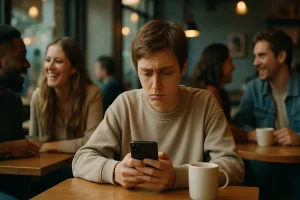
Social anxiety is one of the most common reasons people feel embarrassed about having a boyfriend. It refers to the persistent fear of being judged or negatively evaluated in social situations. When applied to romantic relationships, this fear can make people self-conscious about how their relationship is perceived by others.
For instance, someone might worry about whether their friends will think their boyfriend isn’t attractive or good enough. They may fear becoming the subject of gossip or jokes, particularly in school or college environments where peer validation can be influential.
Additionally, popular media and social platforms create an idealised image of what a relationship should look like, constantly romantic, physically affectionate, aesthetically perfect. If someone’s real-life relationship doesn’t match up to these expectations, embarrassment often creeps in.
How Does Emotional Vulnerability Make People Feel Embarrassed?
Romantic relationships involve a degree of emotional exposure that can make even the most confident individuals feel vulnerable. When someone begins to develop a deep emotional connection with another person, they open themselves up to potential rejection, hurt, or misunderstanding.
For many, this vulnerability is uncomfortable. It becomes especially difficult when there’s pressure to appear emotionally strong or independent. As a result, someone may feel embarrassed by their emotional reliance on a boyfriend, fearing that it makes them appear needy or overly dependent.
Furthermore, past experiences, such as betrayal, heartbreak, or public embarrassment, can intensify these feelings. If someone has once been mocked or criticised for a previous relationship, they may carry that fear forward, making them hesitant to be open about their current one.
Do Societal and Cultural Expectations Influence Relationship Embarrassment?

Absolutely. Societal and cultural expectations significantly shape how people perceive and present their romantic lives. In many communities, there are unspoken (or spoken) rules about when it is “appropriate” to start dating, who is considered a suitable partner, and how relationships should be conducted.
For example, in conservative households, dating might be frowned upon before a certain age or until a person is considered mature. This makes the very act of having a boyfriend a taboo subject, something that must be hidden to avoid disapproval. Consequently, even if the relationship is healthy and supportive, the person involved may still feel a strong sense of shame or guilt.
Likewise, in school settings, relationships are often seen through a superficial lens. If someone’s boyfriend doesn’t meet arbitrary standards, such as being popular, attractive, or “cool,” they may worry about how others will perceive them, leading to self-consciousness and embarrassment.
Why Do Teenagers Often Feel Ashamed About Their Relationships?
Teenagers are particularly vulnerable to relationship embarrassment, largely because they are still developing a sense of identity and self-worth. During adolescence, social circles play a critical role in shaping self-perception, and fear of peer judgment is often heightened.
In this stage of life, everything feels magnified. A simple relationship can be scrutinised, joked about, or misunderstood. Teenagers might avoid telling their friends about a boyfriend altogether, or they might deny the relationship when asked, just to prevent gossip or teasing.
Moreover, teen relationships are often riddled with emotional confusion, communication challenges, and misunderstandings. If a relationship ends abruptly, or if public arguments arise, it can leave lasting embarrassment that makes future relationships harder to navigate confidently.
How Does Introversion Play a Role in Romantic Embarrassment?
Introverts are often more reserved in expressing emotions, especially in public or group settings. While being introverted is entirely normal and healthy, it can complicate romantic relationships when there’s a mismatch in communication styles or social expectations.
For example, an introverted individual may find it uncomfortable to display affection in public or speak openly about their boyfriend in a social group. This reluctance can lead others to assume they’re ashamed of their partner, when in reality, they are simply protecting their own emotional comfort.
Also, introducing a boyfriend to family or friends can feel overwhelming for introverts, who often prefer deeper one-on-one connections over group interactions. As a result, they may delay or avoid this step altogether, which can contribute to the perception that the relationship is something to hide.
Can Awkward Experiences Make Someone Embarrassed About Their Relationship?
Yes, awkward moments in relationships are inevitable, especially early on. Whether it’s misreading signals, saying the wrong thing, or having an embarrassing encounter in public, these incidents can create discomfort that lingers.
Some people may find themselves dwelling on these moments, replaying them in their heads and worrying about what others thought. This overthinking can lead to feelings of regret or shame, which in turn makes them cautious about sharing future relationship experiences.
A partner’s behaviour can also trigger embarrassment. If the boyfriend acts in a way that the individual finds immature, insensitive, or socially inappropriate in public, they may feel second-hand embarrassment. This doesn’t necessarily reflect the overall quality of the relationship, but it does impact how comfortable one feels acknowledging it publicly.
Is It Normal to Feel Embarrassed About Having a Boyfriend?

Feeling embarrassed about having a boyfriend is more common than many realise. Emotions in relationships are rarely black and white. A person can love and care deeply for someone while simultaneously feeling unsure, anxious, or even self-conscious about the relationship itself.
What’s important to understand is that these feelings are not inherently wrong or unhealthy. They often point to underlying factors such as fear of rejection, a need for privacy, or discomfort with external opinions.
The key is to reflect on where the embarrassment is coming from. Is it about the relationship, or is it about how others perceive it? Once this distinction is made, it becomes easier to manage the feelings and decide whether any action is needed.
How Can Someone Manage the Fear of Judgement in Their Relationship?
Overcoming embarrassment starts with developing a sense of emotional clarity and self-confidence. People often feel judged because they internalise the opinions of others too deeply, even when those opinions are baseless or uninformed.
One way to manage this is by identifying and maintaining boundaries. Not everyone needs to know every detail of a relationship. By being selective about what is shared and with whom, individuals can protect their emotional space while still feeling secure in their romantic life.
Open communication with the partner is also crucial. When someone feels embarrassed, their partner might misinterpret the behaviour as disinterest. Being honest about feelings, no matter how awkward, builds mutual understanding and helps both people feel more connected.
Support systems, including trusted friends or a counsellor, can also help ease the emotional burden. Simply voicing one’s concerns to someone empathetic can reduce the weight of perceived judgment.
Is There a Connection Between Relationship Embarrassment and Mental Health?

There is often a link between romantic embarrassment and broader mental health concerns. People who experience chronic anxiety, low self-esteem, or depressive thoughts may find it especially difficult to embrace a relationship without fear of judgment or failure.
They might constantly question their worth, worry excessively about their boyfriend’s behaviour, or overanalyse every interaction. This type of emotional hypervigilance can erode not only the joy in the relationship but also personal wellbeing.
Seeking mental health support isn’t just for crises. If embarrassment in a relationship is causing distress, impacting sleep, appetite, or self-worth, speaking to a professional can make a significant difference. Therapy can help individuals identify thought patterns, improve communication, and build healthier emotional habits.
What Are the Most Common Reasons People Feel Embarrassed About Their Boyfriends?
| Reason | Explanation | What Can Help |
| Fear of judgement by peers | Concern about how the boyfriend will be viewed by others | Share relationship details only with close friends |
| Cultural or family disapproval | The relationship may conflict with traditional or household values | Respectfully maintain boundaries |
| Emotional vulnerability | Fear of being seen as weak or too attached | Normalise emotional expression |
| Awkward social interactions | Negative past experiences or public embarrassment | Focus on positive, private moments |
| Anxiety or low self-esteem | Doubting self-worth or fearing unworthiness of love | Seek emotional or professional support |
Conclusion
The feeling of embarrassment in a romantic relationship, particularly when having a boyfriend, is more widespread than many might admit. It can stem from emotional vulnerability, societal norms, cultural expectations, or personal insecurities. While these feelings are valid, they do not need to control one’s relationship experience.
Understanding the source of the discomfort, establishing healthy boundaries, and engaging in honest communication are all steps towards developing confidence and emotional security. In the end, relationships should be a source of growth, not shame.
Frequently Asked Questions
Can embarrassment about a relationship lead to secrecy or emotional distance?
Yes, in some cases, ongoing embarrassment can cause someone to withhold feelings or avoid discussing the relationship, which may lead to emotional disconnection.
Why do people sometimes feel ashamed of a perfectly healthy relationship?
Shame can stem from internal fears, not necessarily from anything wrong with the relationship itself. It may relate to insecurity, social anxiety, or unrealistic expectations.
Is this more common among teenagers or adults?
While embarrassment can affect anyone, it tends to be more prevalent among teenagers and young adults due to heightened sensitivity to peer opinions and identity development.
What if a person feels embarrassed by their boyfriend’s behaviour?
It’s important to distinguish between isolated moments of discomfort and ongoing issues. Honest communication can clarify expectations and resolve conflicts.
Can relationship embarrassment affect a person’s self-esteem?
Yes, especially if the individual internalises negative perceptions or frequently second-guesses their feelings. Support and reflection are crucial in such cases.
Is it okay to keep a relationship private without feeling guilty?
Absolutely. Privacy does not equal shame. Everyone has the right to decide how much they wish to share about their personal life.
When should someone consider professional help for relationship-related anxiety?
If embarrassment leads to distress, avoidance of social interaction, or impacts daily functioning, it may be time to consult a counsellor or therapist.