
Feeling something move, flutter, twitch or roll inside your stomach can be unsettling, particularly when you know you are not pregnant.
In many cases, the sensation comes from completely normal activity in the digestive system, abdominal muscles or pelvic area.
Gas moving through the intestines, normal bowel contractions, constipation and muscle twitching are among the most common explanations.
Hormonal changes, stress, irritable bowel syndrome and previous pregnancy can also cause sensations that feel surprisingly similar to baby movements.
Most occasional stomach movements are harmless. However, persistent sensations accompanied by severe pain, vomiting, fever, abdominal swelling, bleeding or major changes in bowel habits should be medically assessed.
Why Does It Feel Like Something Is Moving in My Stomach When I’m Not Pregnant?
The abdomen contains the stomach, intestines, muscles, nerves, blood vessels and reproductive organs. All of these structures can produce sensations that may be interpreted as movement.
The intestines constantly contract to push food, liquid, gas and waste through the digestive tract. These contractions are called peristalsis and can sometimes be strong enough to feel like rolling, fluttering or kicking.
Abdominal muscles can also contract involuntarily, creating a twitch that feels as though something is moving beneath the skin.
Common explanations include:
- Gas Moving Through the Intestines
- Normal Digestive Contractions
- Constipation
- Abdominal Muscle Twitching
- IBS and Bloating
- Ovulation or Menstrual Changes
- Stress and Anxiety
- Previous Pregnancy and Phantom Kicks
The sensation itself does not normally identify the cause. Looking at where it happens, when it happens and whether other symptoms are present can provide more useful clues.
What Are the Most Common Causes of Movement in the Stomach?
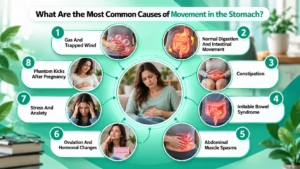
Gas and Trapped Wind
Gas is one of the most common explanations for movement-like sensations in the abdomen.
As gas travels through different sections of the intestines, it can create bubbling, popping, rolling and shifting sensations. Larger pockets of trapped gas may occasionally feel similar to a light kick.
Gas can become more noticeable after:
- Eating Large Meals
- Drinking Fizzy Drinks
- Eating Quickly
- Swallowing Excess Air
- Eating Certain Gas-Producing Foods
- Experiencing Constipation
- Having Food Intolerances
Movement caused by gas is often temporary and may change position as gas travels through the bowel.
Normal Digestion and Intestinal Movement
The digestive tract is continuously moving, even when you cannot normally feel it.
After eating, contractions increase as the intestines begin moving food through the digestive system. Some people are simply more aware of these internal movements than others.
Normal intestinal activity can feel like:
- Rolling
- Gurgling
- Fluttering
- Bubbling
- Small Internal Kicks
The sensation may become particularly noticeable after a large meal or when you are resting quietly.
Constipation
Constipation can cause abdominal pressure, bloating and stronger bowel contractions.
When stool moves slowly through the colon, gas can also become trapped behind it. The combination of stool, gas and intestinal contractions may create noticeable movement or rolling sensations.
Other signs of constipation can include:
- Hard or Dry Stools
- Straining During Bowel Movements
- Feeling That the Bowel Has Not Fully Emptied
- Bloating
- Abdominal Discomfort
- Having Fewer Bowel Movements Than Usual
Persistent constipation should be discussed with a healthcare professional, particularly if it is accompanied by bleeding, unexplained weight loss or significant abdominal pain.
Irritable Bowel Syndrome
Irritable bowel syndrome, commonly known as IBS, affects how the digestive system functions.
People with IBS may be particularly aware of intestinal movements because the condition can cause bloating, gas and altered bowel contractions.
Symptoms can include:
- Abdominal Cramping
- Bloating
- Constipation
- Diarrhoea
- Gas
- Changing Bowel Habits
Symptoms commonly fluctuate and may become worse after certain foods or during stressful periods.
Abdominal Muscle Spasms
Sometimes the feeling is coming from the abdominal wall rather than inside the digestive system.
An involuntary contraction of an abdominal muscle can cause visible or noticeable twitching. This may feel like something jumping or kicking beneath the skin.
Muscle twitching may occur after:
- Intense Exercise
- Abdominal Workouts
- Muscle Fatigue
- Dehydration
- Prolonged Sitting or Poor Posture
- Temporary Nerve Irritation
Occasional muscle twitching is generally not serious. Persistent or widespread twitching should be assessed if it occurs alongside weakness, numbness or other neurological symptoms.
Ovulation and Hormonal Changes
Some people experience abdominal or pelvic sensations around ovulation or menstruation.
Ovulation can produce temporary discomfort on one side of the lower abdomen. Hormonal changes throughout the menstrual cycle can also affect bowel activity, increase bloating and make abdominal sensations more noticeable.
Period-related muscle contractions may create:
- Cramping
- Pressure
- Fluttering
- Lower Abdominal Twitching
- Bloating
Tracking when the sensation occurs during the menstrual cycle may help identify a pattern.
Stress and Anxiety
Stress can affect both the digestive system and abdominal muscles.
The brain and digestive tract communicate closely through the gut-brain connection. During periods of anxiety or prolonged stress, bowel activity may change and abdominal muscles may become tense.
Stress may contribute to:
- Increased Bowel Activity
- Bloating
- Muscle Twitching
- IBS Flare-Ups
- Greater Awareness of Normal Internal Sensations
Stress should not automatically be assumed to be the cause of unexplained abdominal symptoms. Persistent symptoms still deserve medical evaluation.
Phantom Kicks After Pregnancy
People who have previously been pregnant occasionally report sensations resembling baby kicks even months or years after pregnancy.
These are sometimes called phantom kicks.
The exact reason they occur is not completely understood. Digestive movement, muscle twitching and increased awareness of abdominal sensations may contribute.
Phantom kicks are generally harmless when they occur without other concerning symptoms.
Can Trapped Gas Feel Like a Baby Moving?
Yes. Gas travelling through the intestines can sometimes produce sensations remarkably similar to fetal movement.
A gas bubble can stretch part of the intestine and then move suddenly to another area, producing a rolling or kicking sensation. This is especially noticeable when the abdomen is bloated.
Gas movement is often accompanied by:
- Bloating
- Burping
- Passing Wind
- Gurgling Sounds
- Abdominal Pressure
- Temporary Cramping
Unlike fetal movements, gas sensations often change location and may improve after passing wind or having a bowel movement.
Why Does My Stomach Feel Like It Is Moving After Eating or When Lying Down?
Movement after eating is commonly related to digestion.
Eating stimulates the digestive system and causes the stomach and intestines to contract. Gas can also move through the bowel as digestion progresses.
You may notice these sensations more strongly after:
- Eating A Large Meal
- Eating Quickly
- Consuming Fizzy Drinks
- Eating Foods That Produce Gas
- Eating Foods That Trigger IBS or Intolerance Symptoms
Movement may also seem stronger when lying down because there are fewer distractions and you become more aware of internal sensations.
Changing position can cause gas inside the intestines to shift, which may also create a rolling or bubbling sensation.
Does the Location of the Movement Matter?
Location can sometimes provide useful clues, although it cannot identify the cause by itself.
Movement in the lower abdomen may be associated with the bowel, gas, pelvic muscles, ovulation or menstrual changes.
Movement on the left side may sometimes come from gas or stool travelling through the colon.
Movement on the right side can still be related to ordinary bowel activity or muscle twitching. Persistent right-sided movement accompanied by significant pain should be medically assessed.
Movement around the belly button is frequently associated with intestinal activity, gas or abdominal muscle contractions.
Movement in the upper abdomen may originate from the stomach, upper intestines, diaphragm or abdominal muscles.
Pain, swelling, vomiting, fever or worsening symptoms are generally more important than the precise location of an isolated fluttering sensation.
I Have a Negative Pregnancy Test but Feel Movement — Could I Still Be Pregnant?

A negative pregnancy test makes pregnancy less likely, particularly when the test has been taken correctly at the appropriate time.
However, testing too early can occasionally produce a negative result because pregnancy hormone levels may not yet be high enough to detect.
If pregnancy is possible and a period is late, another test may be appropriate according to the test instructions.
Medical advice should be sought if there is uncertainty about pregnancy or if symptoms include:
- Persistent One-Sided Lower Abdominal Pain
- Unusual Vaginal Bleeding
- Severe Pelvic Pain
- Dizziness or Fainting
- Sudden Severe Abdominal Pain
These symptoms require assessment because some pregnancy-related complications can occur before pregnancy has been clearly established.
Gas vs Muscle Twitch vs Baby Kicks: How Are They Different?
Different types of abdominal movement can feel surprisingly similar.
| Feature | Gas Or Bowel Movement | Muscle Twitch | Baby Movement |
| Typical Sensation | Bubbling, rolling or shifting | Jumping or twitching | Fluttering, rolling or kicking |
| Location | Can move around | Usually stays in one spot | Can occur in different areas |
| After Eating | Common | Usually unrelated | Not necessarily |
| Bloating | Common | Uncommon | Not a defining feature |
| Visible Movement | Occasionally | Sometimes | Possible later in pregnancy |
| Pregnancy Test | Negative | Negative | Usually positive |
These differences can provide clues, but symptoms alone cannot reliably confirm or exclude pregnancy or diagnose a medical condition.
Why Do I Keep Feeling Movement in My Stomach?
Repeated stomach movement often means that the underlying trigger is also recurring.
Common causes include:
- Frequent Gas Production
- Constipation
- IBS
- Dietary Triggers
- Muscle Twitching
- Stress
- Menstrual Cycle Changes
- Food Intolerance
Keeping a brief record of meals, bowel movements, menstrual timing and when the sensation occurs may reveal a pattern.
Repeated symptoms should be discussed with a GP if they continue for several weeks, become more frequent or are accompanied by additional symptoms.
What Can Help Reduce Stomach Fluttering or Movement?
What helps depends on the cause.
For occasional digestive-related movement, simple lifestyle adjustments may reduce symptoms.
Eat More Slowly
Eating quickly can increase the amount of air swallowed and may contribute to gas and bloating.
Eat Smaller Meals
Very large meals can increase digestive activity and abdominal pressure.
Stay Hydrated
Adequate fluid intake supports normal digestion and can help prevent constipation.
Stay Physically Active
Regular movement can support normal bowel function and reduce constipation in some people.
Identify Dietary Triggers
If movement repeatedly occurs after particular foods, keeping a food and symptom diary may help identify a pattern.
Manage Stress
Relaxation techniques, regular exercise and adequate sleep may help people whose symptoms become worse during stressful periods.
Avoid Self-Diagnosing Persistent Symptoms
Repeated or worsening abdominal movement should not automatically be blamed on gas or stress. A healthcare professional can assess persistent symptoms and determine whether further investigation is necessary.
When Should I Contact a GP or NHS 111?
Occasional painless abdominal fluttering is usually not an emergency.
However, medical advice should be considered when movement is persistent or accompanied by symptoms such as:
- Ongoing Or Increasing Abdominal Pain
- Persistent Constipation Or Diarrhoea
- Repeated Vomiting
- Blood In The Stool
- Unexplained Weight Loss
- Persistent Abdominal Swelling
- Fever
- A Significant Change In Normal Bowel Habits
More urgent medical attention is needed for severe or rapidly worsening abdominal pain, repeated vomiting, major abdominal swelling, fainting or an inability to pass stool or gas.
Someone who could be pregnant and develops severe one-sided abdominal pain, heavy bleeding, dizziness or fainting should also seek urgent medical assessment.
Frequently Asked Questions
Can Gas Really Feel Like a Baby Kicking?
Yes. Gas moving through the intestines can create sudden bubbling, rolling or kicking sensations that can closely resemble fetal movement.
Why Can I See My Stomach Moving?
Visible movement can sometimes result from abdominal muscle contractions, normal bowel activity or pulsation from blood vessels. Persistent or unusual visible movement accompanied by pain should be medically assessed.
Is Stomach Fluttering Normal When I’m Not Pregnant?
Occasional fluttering can be normal and is commonly caused by digestion, gas or muscle twitching. Persistent symptoms or fluttering with other concerning symptoms should be discussed with a healthcare professional.
Can Constipation Cause Stomach Movement?
Yes. Constipation can increase gas, abdominal pressure and intestinal contractions, which may create rolling, bubbling or movement-like sensations.
Can Anxiety Cause Stomach Fluttering?
Stress and anxiety can change bowel activity, worsen IBS symptoms and increase muscle tension. They can also make normal internal sensations more noticeable.
Why Do I Feel Movement in My Stomach at Night?
Internal sensations may feel stronger at night because the body is still and there are fewer distractions. Lying down can also change the position of gas within the intestines.
When Should I Worry About Stomach Twitching?
Seek medical advice when twitching persists, becomes painful or occurs alongside vomiting, abdominal swelling, bleeding, unexplained weight loss, weakness or major bowel changes.






One Comment