Feeling so bloated that you look pregnant can be uncomfortable, frustrating, and sometimes worrying.
While occasional bloating is often linked to digestion, diet, or lifestyle habits, persistent abdominal swelling may have a range of underlying causes.
From overeating and trapped gas to hormonal changes, stress, and certain health conditions, many factors can make your stomach appear noticeably larger.
Understanding the possible reasons behind bloating is the first step toward finding relief. Here are 15 common reasons why you may feel bloated and what you can do about it.
15 Common Reasons For Why Am I So Bloated I Look Pregnant
1
Not Getting Enough Sleep
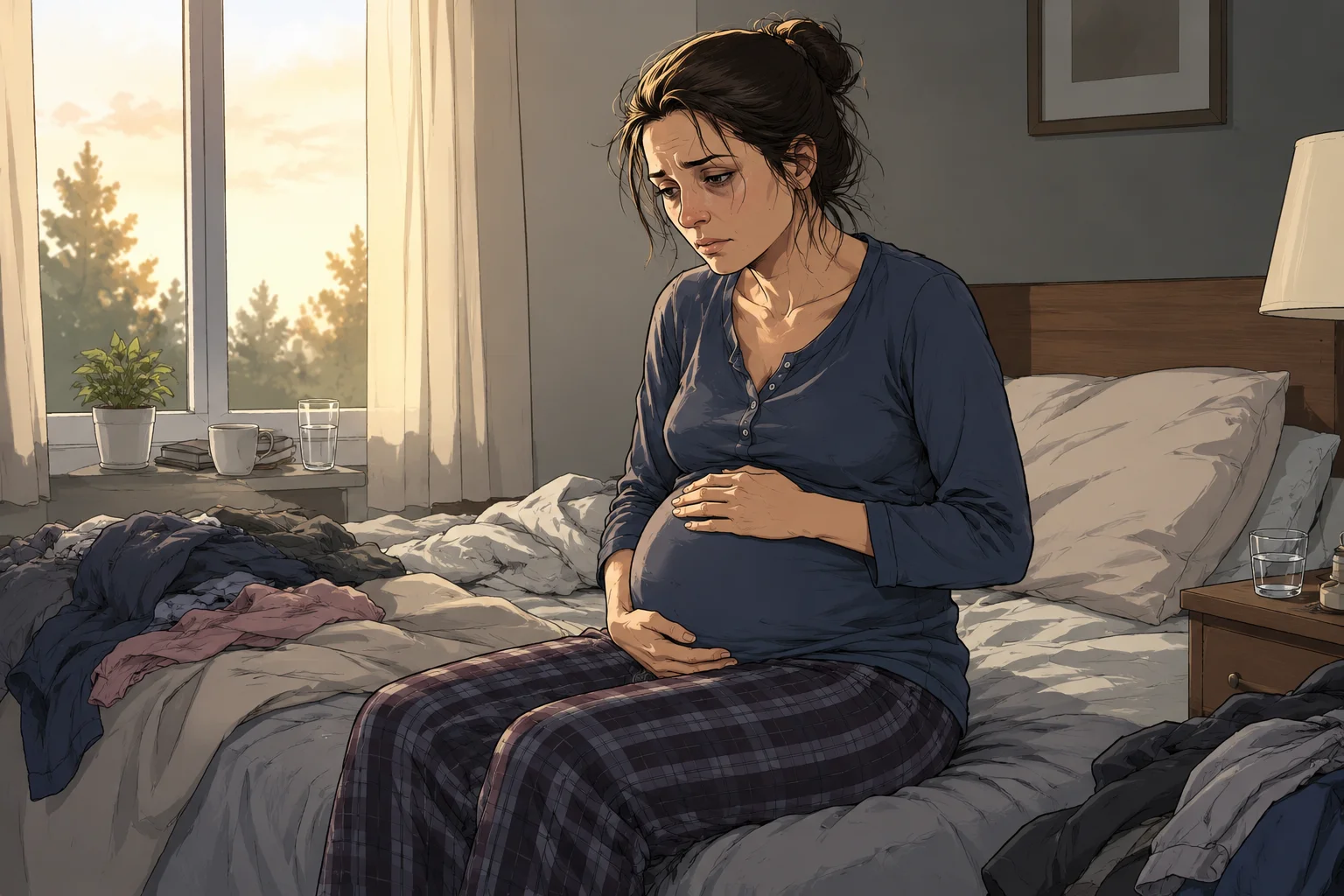
Poor sleep affects far more than energy levels. When the body does not get enough rest, digestion can slow down, stress hormones may rise, and the gut may become more sensitive. These changes can contribute to bloating and abdominal discomfort. People who regularly sleep less than the recommended seven to nine hours often notice digestive issues alongside fatigue.
Common Signs:
- ✦ Feeling tired throughout the day
- ✦ Difficulty concentrating at work or school
- ✦ Increased cravings for sugary or salty foods
- ✦ Morning bloating or digestive discomfort
- ✦ Irritability and mood changes
What You Can Do?:
- ◆ Aim for seven to nine hours of quality sleep each night
- ◆ Maintain a consistent bedtime and wake-up schedule
- ◆ Avoid heavy meals and caffeine close to bedtime
- ◆ Create a cool, dark, and relaxing sleep environmen
2
Overeating or Eating Too Quickly

Eating large portions or rushing through meals can place extra strain on the digestive system. The stomach expands to accommodate more food, while rapid eating often causes people to swallow excess air. Together, these factors can create pressure, gas, and visible bloating that makes the abdomen appear larger than normal.
Common Signs:
- ✦ Feeling overly full shortly after eating
- ✦ Tightness or pressure in the stomach area
- ✦ Frequent burping after meals
- ✦ Noticeable bloating following large portions
- ✦ Sluggish digestion and discomfort
What You Can Do?:
- ◆ Eat slowly and chew food thoroughly before swallowing
- ◆ Serve smaller portions and wait before having seconds
- ◆ Avoid distractions such as phones or television during meals
- ◆ Pay attention to hunger and fullness signals
3
Excessive Gas and Trapped Air

Gas forms naturally during digestion, particularly when gut bacteria break down certain foods. However, excessive gas or trapped air can cause the abdomen to expand noticeably. This pressure can create discomfort, cramping, and a swollen appearance that many people compare to pregnancy bloating.
Common Signs:
- ✦ Abdominal swelling that worsens throughout the day
- ✦ Frequent burping or passing gas
- ✦ Cramping or pressure in the stomach area
- ✦ Temporary relief after releasing gas
- ✦ Rumbling or gurgling digestive sounds
What You Can Do?:
- ◆ Identify foods that trigger excessive gas production
- ◆ Eat meals more slowly to reduce swallowed air
- ◆ Stay physically active to encourage digestion
- ◆ Drink water regularly throughout the day
4
Food Intolerances and Sensitivities

Food intolerances occur when the digestive system struggles to properly process certain ingredients. Undigested food may ferment in the gut, creating gas and bloating. Unlike allergies, intolerances mainly affect digestion and often cause symptoms several hours after eating.
Common Signs:
- ✦ Bloating after consuming specific foods
- ✦ Excessive gas and stomach discomfort
- ✦ Diarrhoea or constipation
- ✦ Nausea or abdominal cramping
- ✦ Symptoms that repeatedly follow certain meals
What You Can Do?:
- ◆ Keep a diary to track foods and symptoms
- ◆ Consider eliminating suspected trigger foods temporarily
- ◆ Seek advice from a healthcare professional
- ◆ Read food labels carefully when shopping
5
Constipation and Poor Bowel Movements

When stool remains in the intestines for extended periods, it creates pressure and causes the abdomen to become distended. Constipation is one of the most frequent reasons people experience ongoing bloating and a feeling of heaviness.
Common Signs:
- ✦ Fewer than normal bowel movements
- ✦ Hard or difficult-to-pass stools
- ✦ Feeling unable to fully empty the bowels
- ✦ Abdominal discomfort and swelling
- ✦ Straining during bowel movements
What You Can Do?:
- ◆ Increase daily fibre intake through fruits and vegetables
- ◆ Drink enough water to support healthy digestion
- ◆ Exercise regularly to stimulate bowel movement
- ◆ Establish a consistent bathroom routine
6
Irritable Bowel Syndrome (IBS)

IBS is a common digestive disorder that affects how the intestines function. Bloating is one of its most recognised symptoms, often becoming more noticeable after meals or during periods of stress. Many people with IBS report that their stomach appears significantly larger by evening.
Common Signs:
- ✦ Frequent bloating after eating
- ✦ Cramping and abdominal pain
- ✦ Diarrhoea, constipation, or both
- ✦ Changes in bowel habits
- ✦ Symptoms triggered by stress
What You Can Do?:
- ◆ Work with a healthcare provider to manage symptoms
- ◆ Identify and avoid personal food triggers
- ◆ Reduce stress through relaxation techniques
- ◆ Consider dietary approaches such as low-FODMAP plans
7
Hormonal Fluctuations and Period Bloating

Hormonal changes during the menstrual cycle can slow digestion and increase water retention. Many women notice bloating during the days leading up to their period, making clothes feel tighter and the abdomen appear swollen.
Common Signs:
- ✦ Abdominal swelling before menstruation
- ✦ Water retention throughout the body
- ✦ Breast tenderness and discomfort
- ✦ Temporary weight gain
- ✦ Mood changes and fatigue
What You Can Do?:
- ◆ Reduce salt intake before your period
- ◆ Stay hydrated throughout the month
- ◆ Exercise regularly to improve circulation
- ◆ Track symptoms to identify patterns
8
Water Retention and Fluid Build-Up

Water retention occurs when excess fluid accumulates in body tissues. This can affect the abdomen, causing bloating and a feeling of heaviness. Diet, hormones, medications, and certain health conditions may all contribute.
Common Signs:
- ✦ Puffiness around the stomach area
- ✦ Swollen hands, feet, or ankles
- ✦ Tight-fitting clothing or jewellery
- ✦ Temporary weight fluctuations
- ✦ Feeling heavy or uncomfortable
What You Can Do?:
- ◆ Limit foods high in sodium
- ◆ Drink sufficient water daily
- ◆ Stay active and avoid prolonged sitting
- ◆ Speak with a doctor if symptoms persist
9
Gut Health Imbalance and Dysbiosis

The balance of bacteria in the digestive system plays a major role in digestion. When beneficial bacteria decline and harmful bacteria increase, digestion may become less efficient, leading to bloating, gas, and discomfort.
Common Signs:
- ✦ Frequent bloating after meals
- ✦ Excessive gas production
- ✦ Irregular bowel movements
- ✦ Digestive discomfort and fullness
- ✦ Increased sensitivity to certain foods
What You Can Do?:
- ◆ Include probiotic-rich foods in your diet
- ◆ Eat more fermented foods when appropriate
- ◆ Reduce highly processed foods
- ◆ Seek medical advice for ongoing symptoms
10
Eating Gas-Producing Foods

Certain foods naturally generate more gas during digestion. While these foods are often healthy, they may cause bloating in sensitive individuals, particularly when eaten in large amounts.
Common Signs:
- ✦ Bloating shortly after meals
- ✦ Increased gas and abdominal pressure
- ✦ Digestive noises and discomfort
- ✦ Temporary swelling of the stomach
- ✦ Symptoms linked to specific foods
What You Can Do?:
- ◆ Reduce portion sizes of trigger foods
- ◆ Cook vegetables thoroughly before eating
- ◆ Introduce fibre gradually into your diet
- ◆ Monitor which foods cause symptoms
11
Carbonated Drinks and Bloating

Carbonated beverages contain dissolved carbon dioxide gas. Once consumed, this gas can become trapped in the digestive tract, creating pressure and making the stomach appear bloated.
Common Signs:
- ✦ Frequent burping after drinking fizzy beverages
- ✦ Abdominal pressure and fullness
- ✦ Temporary stomach swelling
- ✦ Discomfort after consuming soft drinks
- ✦ Increased bloating throughout the day
What You Can Do?:
- ◆ Replace fizzy drinks with still water
- ◆ Limit intake of sparkling beverages
- ◆ Drink slowly rather than gulping
- ◆ Avoid using straws when possible
12
Swallowing Air (Aerophagia)

Many everyday habits cause people to swallow more air than they realise. When air accumulates in the digestive system, it creates pressure that can lead to bloating and abdominal distension.
Common Signs:
- ✦ Frequent burping throughout the day
- ✦ Feeling gassy after meals
- ✦ Abdominal tightness and pressure
- ✦ Visible bloating without overeating
- ✦ Increased discomfort after chewing gum
What You Can Do?:
- ◆ Eat meals slowly and calmly
- ◆ Reduce chewing gum use
- ◆ Avoid drinking through straws
- ◆ Limit talking while chewing food

Stress can have a significant impact on digestion through the gut-brain connection. During periods of anxiety, digestion may slow down, gut sensitivity can increase, and bloating often becomes more noticeable.
Common Signs:
- ✦ Bloating during stressful situations
- ✦ Digestive discomfort and cramping
- ✦ Changes in bowel habits
- ✦ Increased stomach sensitivity
- ✦ Feeling tense or anxious
What You Can Do?:
- ◆ Practice mindfulness or meditation regularly
- ◆ Exercise to reduce stress levels
- ◆ Prioritise sleep and recovery
- ◆ Seek support if anxiety becomes overwhelming
Physical activity helps move food, waste, and gas through the digestive tract. Spending long periods sitting can slow digestion, increasing the likelihood of bloating and discomfort.
Common Signs:
- ✦ Bloating after prolonged sitting
- ✦ Constipation and sluggish digestion
- ✦ Feeling heavy after meals
- ✦ Reduced energy levels
- ✦ Abdominal discomfort throughout the day
What You Can Do?:
- ◆ Take regular walking breaks during the day
- ◆ Exercise most days of the week
- ◆ Walk after meals when possible
- ◆ Avoid sitting for extended periods
15
Underlying Health Conditions

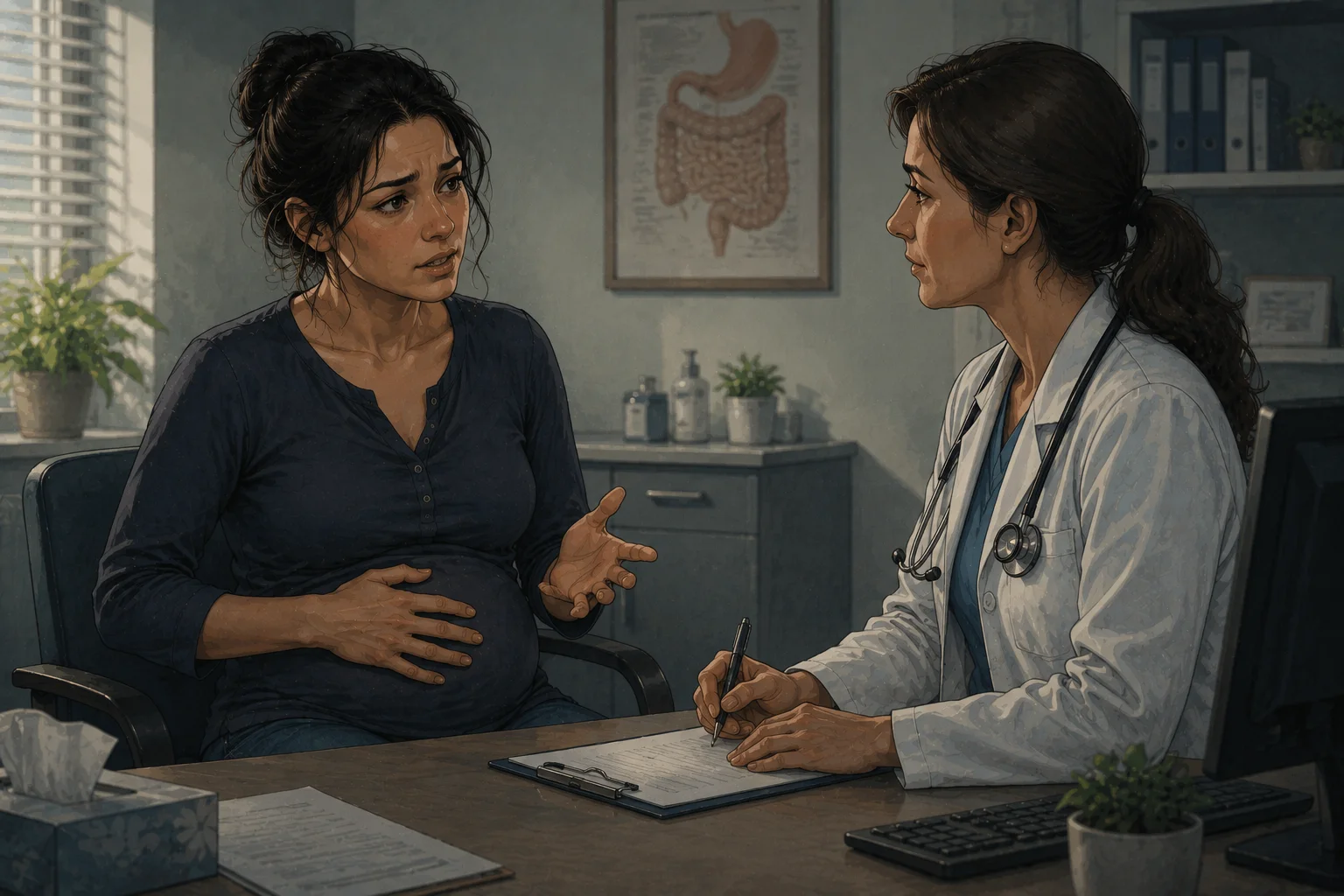
Persistent bloating that does not improve may sometimes indicate a medical condition. Problems affecting the digestive system, reproductive organs, liver, or other areas can contribute to ongoing abdominal swelling.
Common Signs:
- ✦ Persistent bloating lasting weeks or months
- ✦ Unexplained weight loss
- ✦ Severe abdominal pain
- ✦ Changes in appetite or bowel habits
- ✦ Irregular bleeding or other unusual symptoms
What You Can Do?:
- ◆ Monitor symptoms and their frequency
- ◆ Seek medical advice for persistent bloating
- ◆ Attend recommended health screenings
- ◆ Follow treatment plans provided by specialists
How to Reduce Bloating and Feel More Comfortable?
Although the exact cause of bloating varies from person to person, several simple lifestyle changes can help reduce symptoms and improve digestive health. Small adjustments to daily habits often make a noticeable difference in how the stomach feels and looks.
Helpful Ways to Reduce Bloating
- Drink plenty of water throughout the day to support healthy digestion and prevent constipation.
- Eat meals slowly and chew food thoroughly to reduce swallowed air and improve digestion.
- Stay physically active, as regular movement helps food and gas move through the digestive tract more efficiently.
- Limit highly processed foods, excessive salt, and carbonated drinks that may contribute to bloating.
- Identify potential food triggers by keeping a food and symptom diary.
- Manage stress through relaxation techniques, exercise, meditation, or adequate sleep.
- Avoid overeating by choosing moderate portion sizes and listening to your body’s fullness signals.
If bloating continues despite these measures or becomes more frequent and severe, it is important to seek medical advice.
Persistent bloating can sometimes indicate an underlying condition that requires professional assessment and treatment.
FAQs
Why am I so bloated that I look pregnant?
A swollen, pregnant-looking stomach is often caused by gas, constipation, food intolerances, hormonal changes, or water retention. In some cases, an underlying health condition may be responsible.
Is it normal for bloating to get worse throughout the day?
Yes. Many people wake up with a flatter stomach and become more bloated as food, gas, and fluids accumulate in the digestive system during the day.
What foods commonly cause bloating?
Foods such as beans, lentils, broccoli, cabbage, onions, dairy products, and carbonated drinks are common triggers for bloating in sensitive individuals.
Can stress and anxiety make bloating worse?
Yes. Stress can affect digestion through the gut-brain connection, slowing digestion and increasing gut sensitivity, which may lead to bloating.
How can I reduce bloating quickly?
Walking after meals, drinking water, eating slowly, avoiding fizzy drinks, and limiting trigger foods can help reduce bloating and digestive discomfort.
When should I be concerned about bloating?
You should speak to a doctor if bloating is persistent, severe, accompanied by unexplained weight loss, blood in the stool, or significant abdominal pain.
Can hormonal changes cause a bloated stomach?
Yes. Hormonal fluctuations, particularly before and during menstruation, can lead to water retention and slower digestion, causing temporary bloating.