Many people in the UK experience peeling skin on their feet at some point, and while it can look unpleasant or feel uncomfortable, it’s often a manageable condition. Whether it’s due to a fungal infection, dry skin, or an underlying health condition, the key to addressing peeling feet lies in identifying the root cause.
In this comprehensive guide, readers will discover why the skin on their feet may be peeling, what conditions or lifestyle factors might be contributing, and how to treat and prevent it with both medical and natural remedies.
What Are the Most Common Reasons the Skin on Feet Starts to Peel?
Peeling skin on the feet can be triggered by several external and internal factors. These can range from simple environmental exposures to more complex dermatological conditions. Understanding the underlying causes can help determine the right course of action for treatment and prevention.
Dry Skin and Lack of Moisture
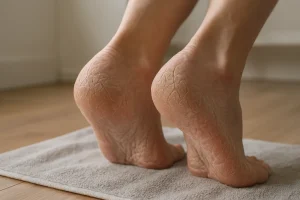
Dry skin, or xerosis, is one of the most frequent causes of peeling feet. It often occurs during colder months in the UK, when the air becomes dry and indoor heating reduces humidity. The soles of the feet have fewer oil glands than other body parts, which makes them particularly vulnerable to moisture loss.
Fungal Infections Such as Athlete’s Foot
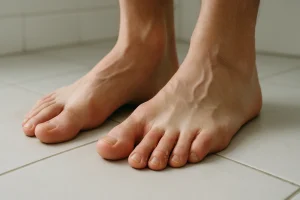
One of the leading causes of peeling feet is Athlete’s foot (medically known as tinea pedis). This fungal infection thrives in warm, moist environments like sweaty socks, tight shoes, and communal changing areas, making it common among people who regularly visit gyms, pools, or locker rooms.
In its early stages, athlete’s foot typically begins between the toes. It may present as red, itchy skin that gradually begins to peel or flake. Without proper treatment, the infection can spread across the foot and even to the toenails.
Skin Conditions: Eczema, Dermatitis, and Psoriasis
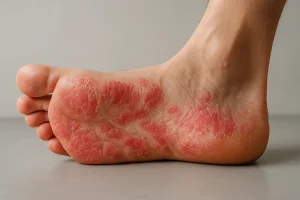
Certain skin conditions such as eczema, contact dermatitis, and psoriasis can also lead to skin peeling on the feet. These conditions are often chronic, and flare-ups can be triggered by stress, allergens, certain materials, or weather changes.
- Eczema on the feet may result in dry, itchy, and cracked skin.
- Contact dermatitis occurs after the skin reacts to substances such as rubber, dyes in socks, or harsh soaps.
- Psoriasis can cause thick, scaly patches, often on the soles, which may eventually peel.
Excessive Sweating and Poor Footwear
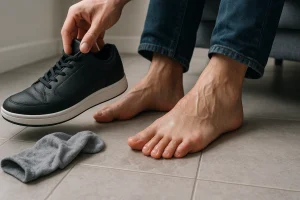
People who suffer from hyperhidrosis, a condition that causes excessive sweating, are at increased risk for foot peeling. The moisture trapped inside shoes can soften the skin and promote fungal or bacterial growth, leading to peeling and irritation.
Inadequate or non-breathable footwear can worsen the problem. Shoes made from synthetic materials may not allow proper ventilation, causing feet to sweat more and stay damp longer.
How Do Environmental and Lifestyle Factors Affect Foot Skin Peeling?
Environmental and lifestyle habits play a significant role in foot skin health. Many people are unaware that their daily routines may be contributing to skin issues.
Weather and Seasonal Changes
The UK’s fluctuating climate can affect skin hydration. During winter, indoor heating and cold weather strip the skin of natural oils. In summer, sun exposure can lead to sunburn, which results in peeling once the skin starts to heal.
Overexposure to Water
Ironically, frequent exposure to water can lead to dehydration of the skin. Prolonged soaking or taking long hot showers weakens the protective barrier of the skin and leads to dryness and peeling.
Skincare Products and Allergic Reactions
Using soaps and foot care products with strong fragrances, alcohol, or chemicals can irritate the feet, especially for those with sensitive skin. Reactions may not occur immediately but can lead to peeling over time.
Can Medical Conditions Cause the Skin on Feet to Peel?
Several medical conditions can directly or indirectly contribute to skin peeling. Identifying these underlying health issues is crucial for proper treatment.
Athlete’s Foot: A Contagious Fungal Infection
Athlete’s foot is common but often underestimated. The fungal spores thrive in damp areas and can spread through shared showers or by wearing someone else’s shoes. If untreated, it may also lead to toenail fungal infections.
Key Symptoms:
- Itching, burning, or stinging between the toes
- Flaky or peeling skin
- Foul odour in more advanced cases
Eczema and Contact Dermatitis
In cases of eczema or dermatitis, peeling is often accompanied by inflammation, redness, and itching. These conditions can become chronic without proper care and usually require moisturising, avoiding irritants, and sometimes prescription treatments.
Psoriasis and Autoimmune Disorders
Psoriasis on the feet, particularly palmoplantar psoriasis, is a less common but impactful condition. It leads to thickened, cracked skin that may bleed or peel.
Managing autoimmune skin disorders often requires more than just topical creams. A healthcare professional may recommend immunosuppressive drugs or phototherapy.
Other Underlying Health Issues
Peeling skin could also be a symptom of less common medical conditions such as:
- Dyshidrotic eczema: causes small blisters on the feet and hands
- Kawasaki disease: mostly in children, can lead to peeling skin
- Vitamin deficiencies: particularly low B3 (niacin) or A can affect skin health
When Should Someone Seek Medical Advice for Peeling Feet?
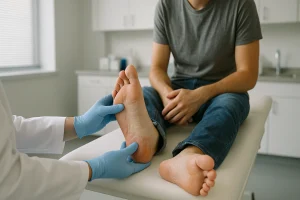
While many cases of peeling feet can be treated at home, certain signs indicate the need for professional evaluation.
If the peeling is accompanied by persistent pain, swelling, bleeding, pus, or doesn’t improve with over-the-counter treatments after two weeks, it’s time to see a GP or dermatologist. A proper diagnosis can rule out infections, autoimmune conditions, or systemic diseases.
What Are the Most Effective Treatments for Peeling Skin on the Feet?
Treating peeling skin begins with identifying the cause. Once that’s clear, both conventional and natural methods can be applied.
Over-the-Counter Options
Mild cases may be resolved using pharmacy-available products, such as:
- Antifungal creams (for athlete’s foot)
- Moisturising creams with urea or lactic acid (for dry skin)
- Hydrocortisone creams (for eczema or inflammation)
These treatments can be applied once or twice daily, depending on the product and the severity of symptoms.
Home Remedies and Natural Approaches
Many people prefer natural methods either alongside or instead of pharmaceutical options.
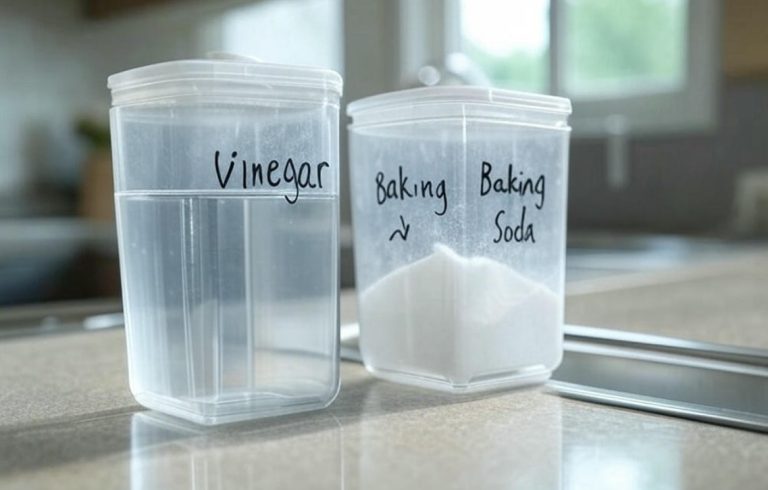
Warm water foot soaks with Epsom salts, apple cider vinegar, or oatmeal can soothe irritated skin and reduce inflammation. Coconut oil or shea butter is excellent for moisturising dry, cracked areas.
It’s essential to apply moisturiser immediately after bathing while the skin is still slightly damp, helping to lock in hydration.
Medical Interventions
For chronic or recurring conditions, doctors may prescribe:
- Stronger antifungal medications (oral or topical)
- Prescription steroid creams
- Immunosuppressive drugs for autoimmune-related peeling
- Allergy testing to identify irritants or triggers
How Can Foot Peeling Be Prevented Long-Term?
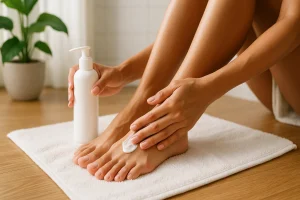
Preventive foot care habits can go a long way in keeping the skin healthy and intact.
Establish a Proper Foot Care Routine
A good routine includes:
- Washing feet daily with mild soap
- Thoroughly drying between the toes
- Moisturising every evening, especially in winter
Wear the Right Footwear
Footwear plays a crucial role. Choose shoes made from natural materials like leather or canvas that allow the feet to breathe. Change socks daily and avoid wearing the same pair of shoes two days in a row to give them time to air out.
Avoid Common Irritants
Use hypoallergenic foot products and avoid unnecessary exfoliation, which can aggravate sensitive skin. Avoid walking barefoot in communal showers, pools, or gyms, where fungal spores are common.
What’s the Difference Between the Causes and Treatments of Peeling Feet?
To better understand the relationship between causes and suitable treatments, refer to the table below:
| Cause | Symptoms | Recommended Treatment | See a Doctor If… |
| Athlete’s Foot | Itching, peeling, odour | Antifungal cream, foot hygiene | No improvement in 2 weeks |
| Dry Skin | Flaking, tightness | Daily moisturising, use of gentle cleansers | Skin becomes cracked or infected |
| Eczema/Dermatitis | Red, itchy, inflamed skin | Avoid irritants, use steroid or emollient cream | Frequent flare-ups or severe itching |
| Psoriasis | Scaly patches, painful cracking | Prescription creams, light therapy | Skin thickens or begins to bleed |
| Sunburn or Allergies | Redness, soreness, peeling | Aloe vera, avoid allergens | Peeling spreads or blisters form |
FAQs
Is peeling skin on the feet always due to a fungal infection?
Not necessarily. Although athlete’s foot is common, other causes like dry skin, eczema, and psoriasis can also lead to peeling.
How long does it take to heal peeling feet?
Healing time depends on the cause. Dry skin may heal within days of moisturising, while fungal infections can take two to four weeks with treatment.
Can weather changes really cause feet to peel?
Yes. Sudden drops in humidity or temperature can lead to skin dehydration, especially in winter.
Should exfoliating foot masks be used to treat peeling?
They should be used with caution. While they can remove dead skin, they may irritate sensitive or already peeling feet.
What are the signs of serious skin conditions on the feet?
Warning signs include persistent redness, pain, blisters, swelling, and cracked skin that bleeds.
Are foot peels recommended for people with eczema or psoriasis?
Not typically. Harsh peels can exacerbate skin conditions and should be avoided unless advised by a healthcare professional.
Is it safe to use antifungal powders daily?
Yes, especially for those prone to athlete’s foot. They help keep feet dry and reduce the risk of fungal growth.