If you have been prescribed metronidazole, you may have noticed a clear warning telling you not to drink alcohol during treatment.
Unlike the general advice to avoid alcohol when you are unwell, this warning relates to a potential interaction between alcohol and metronidazole.
The NHS advises people taking metronidazole tablets or liquid, or using suppositories, to avoid alcohol throughout treatment and for 48 hours after the final dose.
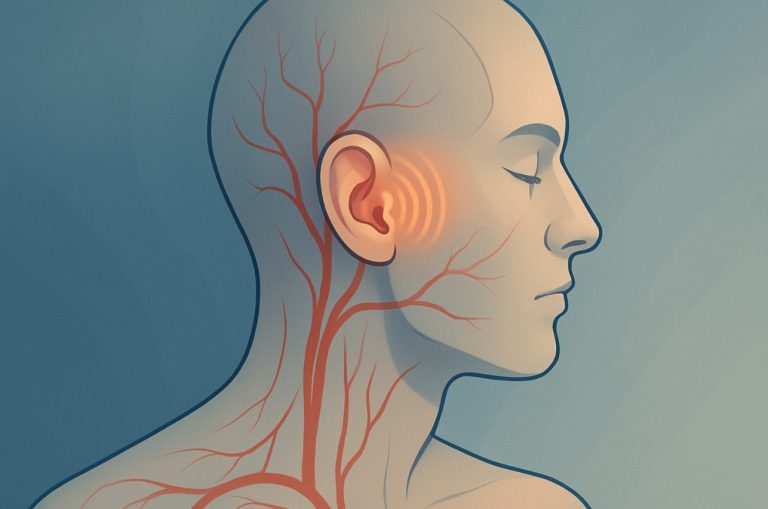
Drinking alcohol during this period may cause unpleasant symptoms such as nausea, vomiting, stomach pain, flushing, headaches and a pounding or irregular heartbeat.
The simplest answer is therefore: you cannot drink alcohol on metronidazole because combining the two may cause a significant adverse reaction, and the medicine can remain in your body after your final dose.
Why Should You Avoid Alcohol While Taking Metronidazole?
Metronidazole is an antimicrobial medicine used to treat certain bacterial and parasitic infections. It may be prescribed for conditions such as dental infections, bacterial vaginosis, pelvic inflammatory disease and some infected wounds.
Alcohol is specifically discouraged during treatment because the combination has been associated with symptoms including:
- Nausea
- Vomiting
- Abdominal pain
- Facial flushing
- Headaches
- Dizziness
- A fast or pounding heartbeat
- Feeling generally unwell
UK prescribing information has traditionally described this as a disulfiram-like reaction.
This makes metronidazole different from many commonly prescribed antibiotics. For a broader explanation, WikiWhy also covers why you cannot drink alcohol with certain antibiotics.
Official guidance is available from the NHS on metronidazole and alcohol.
What Happens When Alcohol and Metronidazole Are Mixed?
People sometimes assume that combining the two simply makes metronidazole less effective. That is not the main concern.
The more immediate issue is that alcohol may trigger unpleasant physical symptoms while metronidazole is still present in the body.
Possible symptoms
A reaction may include:
| Possible effect | What it may feel like |
| Nausea | Feeling as though you may be sick |
| Vomiting | Being physically sick, sometimes repeatedly |
| Stomach pain | Cramping or abdominal discomfort |
| Flushing | Sudden warmth or redness of the face |
| Headache | Mild to severe head pain |
| Palpitations | A racing, pounding or irregular heartbeat |
| Dizziness | Feeling lightheaded or unsteady |
The intensity of these symptoms can vary between individuals.
The exact mechanism
The interaction is commonly described as similar to the reaction caused by disulfiram, a medicine associated with unpleasant effects when alcohol is consumed.
However, the exact biological mechanism behind the metronidazole-alcohol interaction has been debated.
That uncertainty does not change current UK medical advice. The practical recommendation remains to avoid alcohol during treatment rather than testing whether you personally will experience a reaction.
Why Is Metronidazole Different From Other Antibiotics?
A common misconception is that alcohol is strictly prohibited with every antibiotic.
That is not the case.
Many commonly prescribed antibiotics do not have the same specific alcohol interaction. However, drinking while you are unwell may still worsen nausea, tiredness, dehydration or dizziness.
Metronidazole is different because official guidance gives a direct recommendation to avoid alcohol.
| Antibiotic | General alcohol advice |
| Metronidazole | Avoid during treatment and for 48 hours afterwards |
| Tinidazole | Avoid during treatment and for 72 hours afterwards |
| Doxycycline | Alcohol may affect treatment, particularly with heavier drinking |
| Many common antibiotics | No specific severe interaction, although alcohol may worsen side effects |
The exact advice therefore depends on the antibiotic rather than simply on whether a medicine belongs to the antibiotic category.
The NHS guidance on antibiotic interactions provides further information.
How Long After Metronidazole Can You Drink Alcohol?
For standard metronidazole tablets, liquid or suppositories, NHS guidance says to wait 48 hours after your final dose before drinking alcohol.
That means the restriction does not finish immediately after taking your last tablet.
For example:
If your final dose is at 8 pm on Monday, the 48-hour period finishes at approximately 8 pm on Wednesday.
Waiting the full recommended period gives your body time to process and remove the medicine.
If the patient information leaflet supplied with your medicine recommends a longer waiting period, follow the leaflet or instructions given by your doctor or pharmacist.
Why Isn’t 24 Hours After Metronidazole Long Enough?
Twenty-four hours may sound like a reasonable gap, particularly if you feel completely well.
However, NHS guidance recommends 48 hours, not 24 hours.
Metronidazole does not disappear from your body immediately after your final dose. Your body needs time to metabolise and eliminate it.
Feeling normal also does not prove that all of the medicine has left your system.
So if you are wondering whether you can drink 24 hours after finishing metronidazole, the safer approach is to wait until the full 48-hour period has passed.
Does the Type of Metronidazole Matter?
Metronidazole is available in several forms, including:
- Tablets
- Oral liquid
- Suppositories
- Vaginal gel
- Skin cream
- Skin gel
- Intravenous treatment
The amount of metronidazole absorbed into the bloodstream varies depending on the formulation.
The NHS specifically advises avoiding alcohol when taking metronidazole tablets or liquid or using suppositories.
Alcohol may also cause problems while using metronidazole vaginal gel.
With metronidazole creams or gels applied to the skin, an interaction is considered less likely because substantially less medicine is absorbed into the bloodstream.
However, you should always follow the instructions supplied with your specific medicine rather than assuming that all forms of metronidazole have identical advice.
Can You Have Just One Drink?
There is no NHS-recommended amount of alcohol considered safe while taking oral metronidazole.
The guidance is to avoid alcohol altogether, rather than staying below a certain number of units.
That applies to alcoholic drinks such as:
- Beer
- Lager
- Cider
- Wine
- Champagne
- Spirits
- Cocktails
- Alcoholic mixers
The warning should therefore not be interpreted as applying only to heavy drinking.
Even if another person says they had one drink without experiencing symptoms, that does not establish that one drink is safe for everyone.
Why Do Some People Have No Reaction?
Not everyone who accidentally combines metronidazole and alcohol reports obvious symptoms.
Individual responses vary.
One person may develop nausea, flushing and palpitations, while another may notice very little.
This variation does not mean the combination is safe. There is no reliable way to predict:
- Who will react
- How severe the reaction will be
- How quickly symptoms will appear
- Whether a particular quantity of alcohol will cause problems
That unpredictability is one reason official guidance recommends avoiding alcohol completely during the restricted period.
Alcohol in Medicines, Foods and Other Products
Alcohol is not found only in beer, wine and spirits.
Certain medicines and food products may also contain alcohol.
Products worth checking
Examples may include:
- Some liquid cough medicines
- Herbal tinctures
- Certain liquid medicines
- Some mouth rinses
- Alcohol-containing desserts
- Sauces prepared with substantial quantities of alcohol
- Low-alcohol drinks
You do not need to become concerned about every product that may contain a tiny trace of alcohol.
The main concern is products that deliver a meaningful amount of alcohol into the body.
Alcohol-free drinks
Labels can sometimes be confusing because drinks marketed as “low alcohol” may still contain some alcohol.
If you want an alternative during your treatment, choosing a product clearly marked 0.0% alcohol removes more uncertainty.
Water, soft drinks and genuinely non-alcoholic alternatives are simpler choices until both your treatment and the 48-hour waiting period have finished.
Should You Stop Metronidazole Early So You Can Drink?
No.
You should take metronidazole according to the instructions given by your doctor or prescriber.
Stopping your medication because you want to drink alcohol could mean your infection is not adequately treated.
Avoid:
- Skipping doses before drinking
- Stopping your course early
- Changing your dose without medical advice
- Taking two doses together later to compensate
- Rearranging treatment around a social event
If you have an event, holiday or celebration during your treatment, it is safer to avoid alcohol rather than alter your prescribed medication schedule.
Why Can Alcohol Make Metronidazole Side Effects Worse?
Metronidazole itself can cause side effects even when alcohol is not involved.
Common problems can include:
- Nausea
- Vomiting
- Diarrhoea
- Digestive discomfort
- A metallic taste
Alcohol can independently cause nausea, stomach irritation, dehydration and dizziness.
Combining the two may therefore worsen symptoms you are already experiencing and make it more difficult to determine whether the medicine, the alcohol or the underlying infection is responsible.
What Should You Do If You Accidentally Drink Alcohol?
Accidentally having alcohol while taking metronidazole does not automatically mean that a serious reaction will occur.
However, you should stop drinking alcohol rather than continuing.
Pay attention to symptoms such as:
- Significant nausea
- Repeated vomiting
- Stomach pain
- Flushing
- Severe dizziness
- A rapid or pounding heartbeat
- Feeling faint
- Breathing difficulties
If you feel unwell or are concerned about the amount of alcohol you consumed, contact a pharmacist, GP or NHS 111 for personalised advice.
Serious symptoms such as severe breathing difficulties, loss of consciousness or significant chest symptoms require urgent medical assessment.
Do not automatically stop taking your antibiotic after accidentally consuming alcohol. Ask a healthcare professional for advice if you are unsure about your next dose.
Why Is Waiting 48 Hours the Safest Approach?
The restriction on alcohol is temporary.
For most people taking standard oral metronidazole, the rule is straightforward:
Avoid alcohol while taking metronidazole and continue avoiding it for 48 hours after your final dose.
Waiting removes much of the uncertainty surrounding how much alcohol might cause a reaction and whether you personally are likely to experience symptoms.
It also allows you to complete your treatment without unnecessarily adding another possible cause of nausea, stomach discomfort, dizziness or palpitations.
FAQs
Can I drink alcohol 24 hours after metronidazole?
It is better to wait. NHS guidance recommends avoiding alcohol for 48 hours after your final dose of metronidazole.
Can I have one beer while taking metronidazole?
No specific amount of alcohol is recommended as safe during treatment. The standard advice is to avoid alcohol completely.
What happens if I accidentally drink alcohol with metronidazole?
You may experience nausea, vomiting, flushing, stomach pain, dizziness or palpitations. Stop drinking alcohol and seek medical advice if you develop concerning symptoms.
Can I drink alcohol 48 hours after metronidazole?
Under standard NHS guidance, you can generally drink after the full 48-hour period has passed, unless your doctor, pharmacist or medicine leaflet tells you to wait longer.
Does metronidazole cream interact with alcohol?
An interaction is less likely with metronidazole applied to the skin because much less medicine reaches the bloodstream. Follow the directions supplied with your particular product.
Can I stop metronidazole early before drinking?
You should not stop or change a prescribed antibiotic course simply so you can drink alcohol. Follow your prescriber’s instructions and ask a pharmacist or doctor if you need advice.