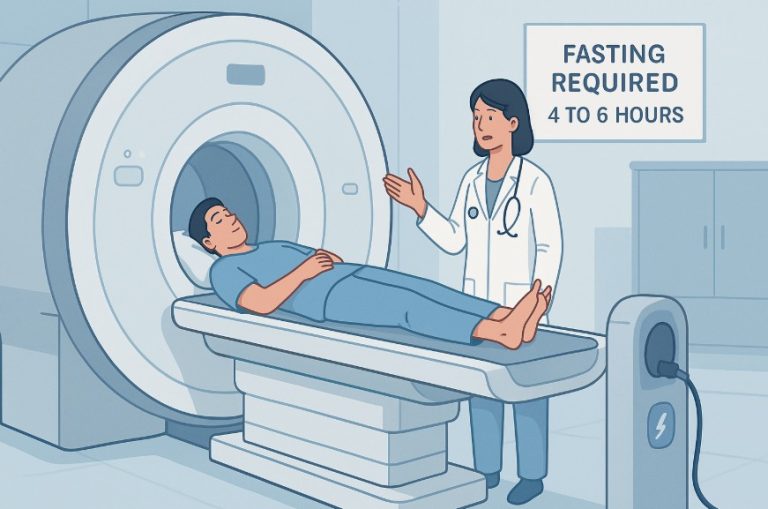
Feeling tired after a long day, a poor night’s sleep, or a particularly stressful week is completely normal. However, if you find yourself constantly exhausted despite resting, it may indicate that something in your lifestyle, habits, or health is affecting your energy levels. Persistent fatigue can impact your work performance, relationships, concentration, and overall quality of life.
Understanding the possible causes can help you identify what might be contributing to your lack of energy and what steps you can take to feel better.
9 Reasons Why You Are So Tired All the Time?
Not Getting Enough Sleep
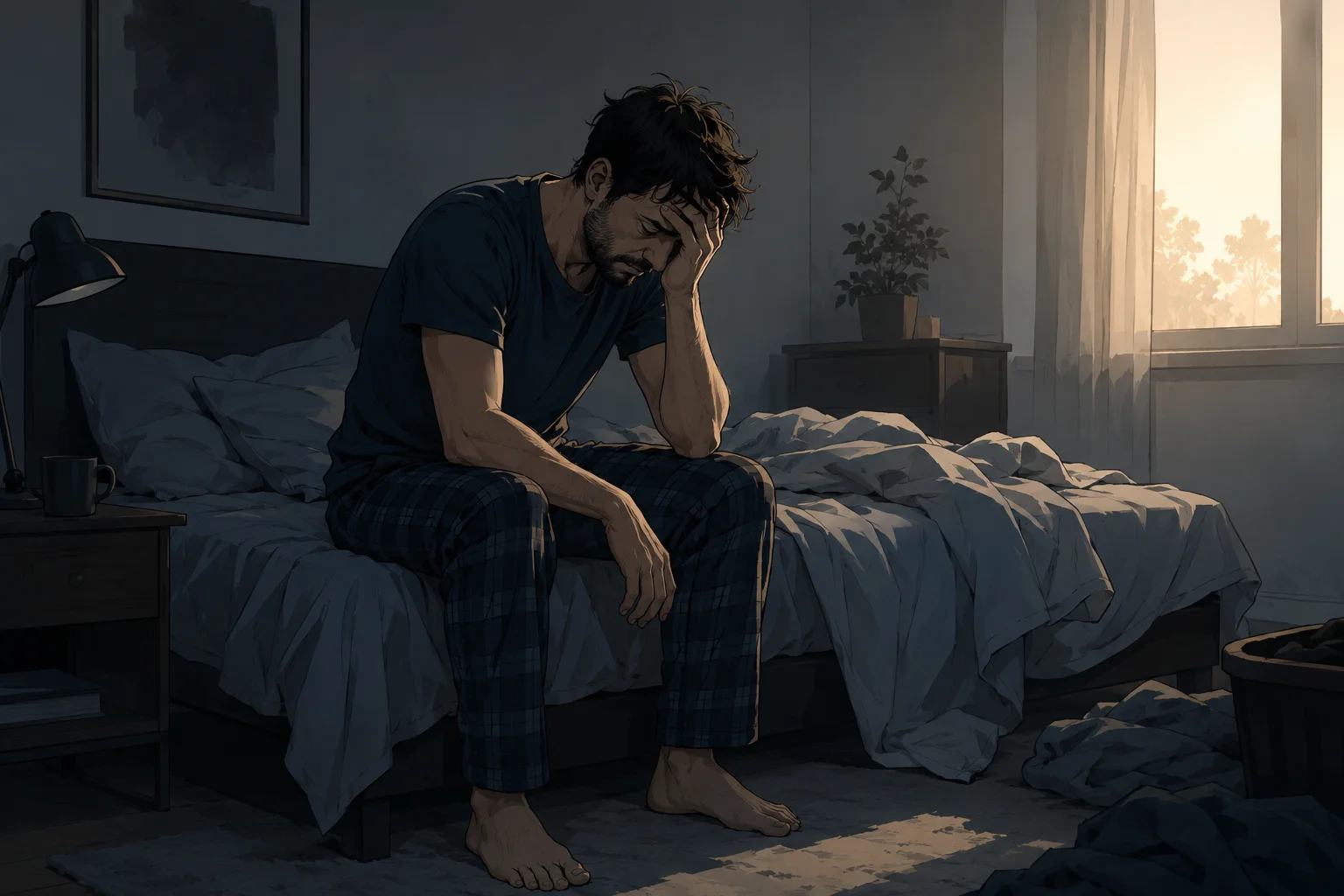
Not getting enough sleep is one of the most common reasons people feel tired throughout the day. Most adults need between seven and nine hours of sleep each night, but many regularly get less due to work, family responsibilities, social activities, or excessive screen time.
Common Signs
- ✦ Feeling sleepy during the day
- ✦ Difficulty concentrating
- ✦ Irritability and mood changes
- ✦ Frequent yawning
- ✦ Reduced productivity
What You Can Do?
- ◆ Maintain a consistent sleep schedule
- ◆ Avoid caffeine before bedtime
- ◆ Limit screen use at night
- ◆ Create a relaxing sleep environment
Poor Sleep Quality
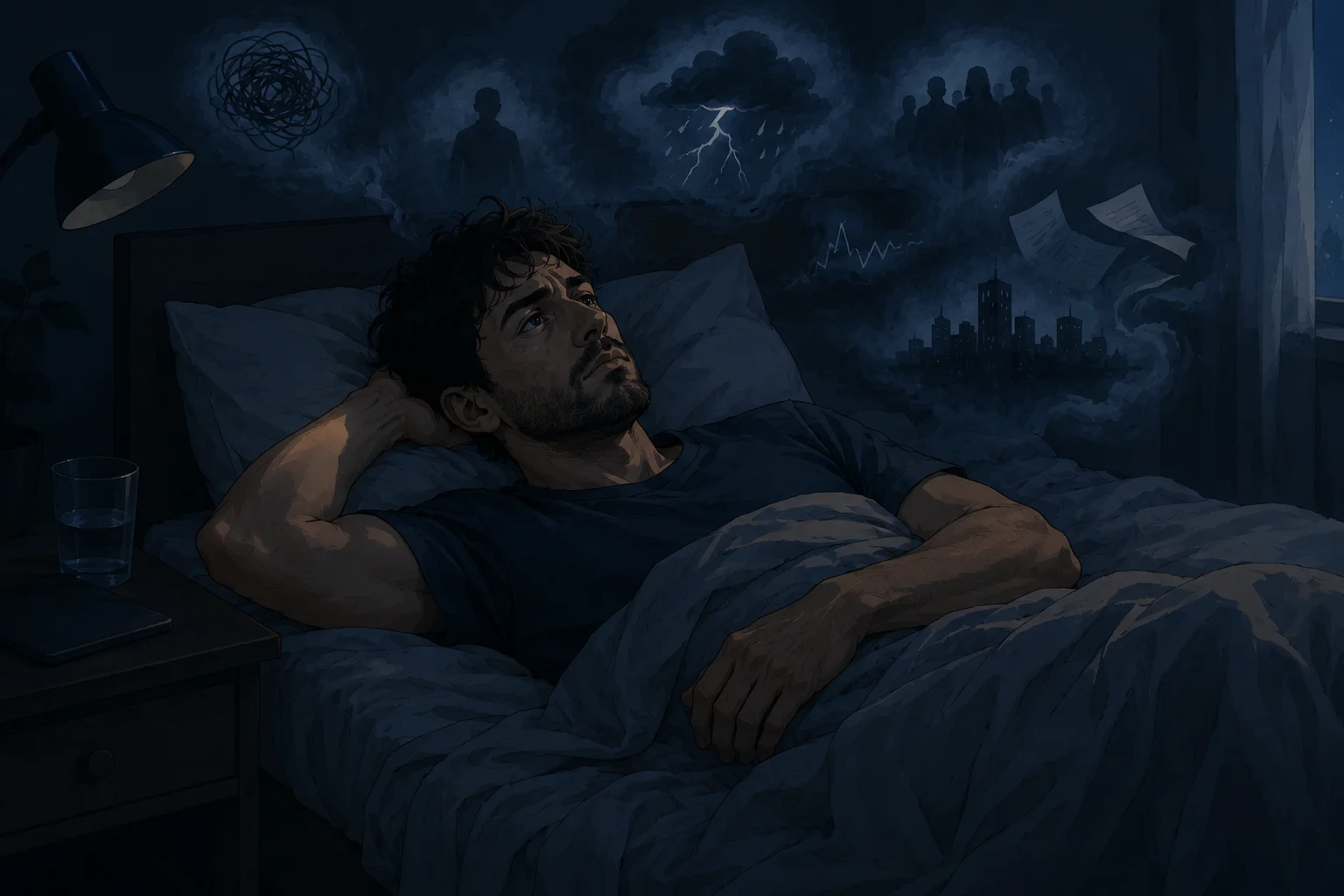
Even if you spend enough time in bed, poor sleep quality can leave you feeling exhausted. Conditions such as sleep apnea, restless leg syndrome, frequent waking, or excessive noise can interrupt normal sleep cycles. Deep sleep and REM sleep are essential for physical recovery and mental restoration.
Common Signs
- ✦ Waking up tired every morning
- ✦ Frequent nighttime awakenings
- ✦ Morning headaches
- ✦ Loud snoring
- ✦ Daytime drowsiness
What You Can Do?
- ◆ Keep your bedroom quiet and dark
- ◆ Maintain a comfortable room temperature
- ◆ Seek medical advice for sleep disorders
- ◆ Establish a calming bedtime routine
Chronic Stress and Anxiety
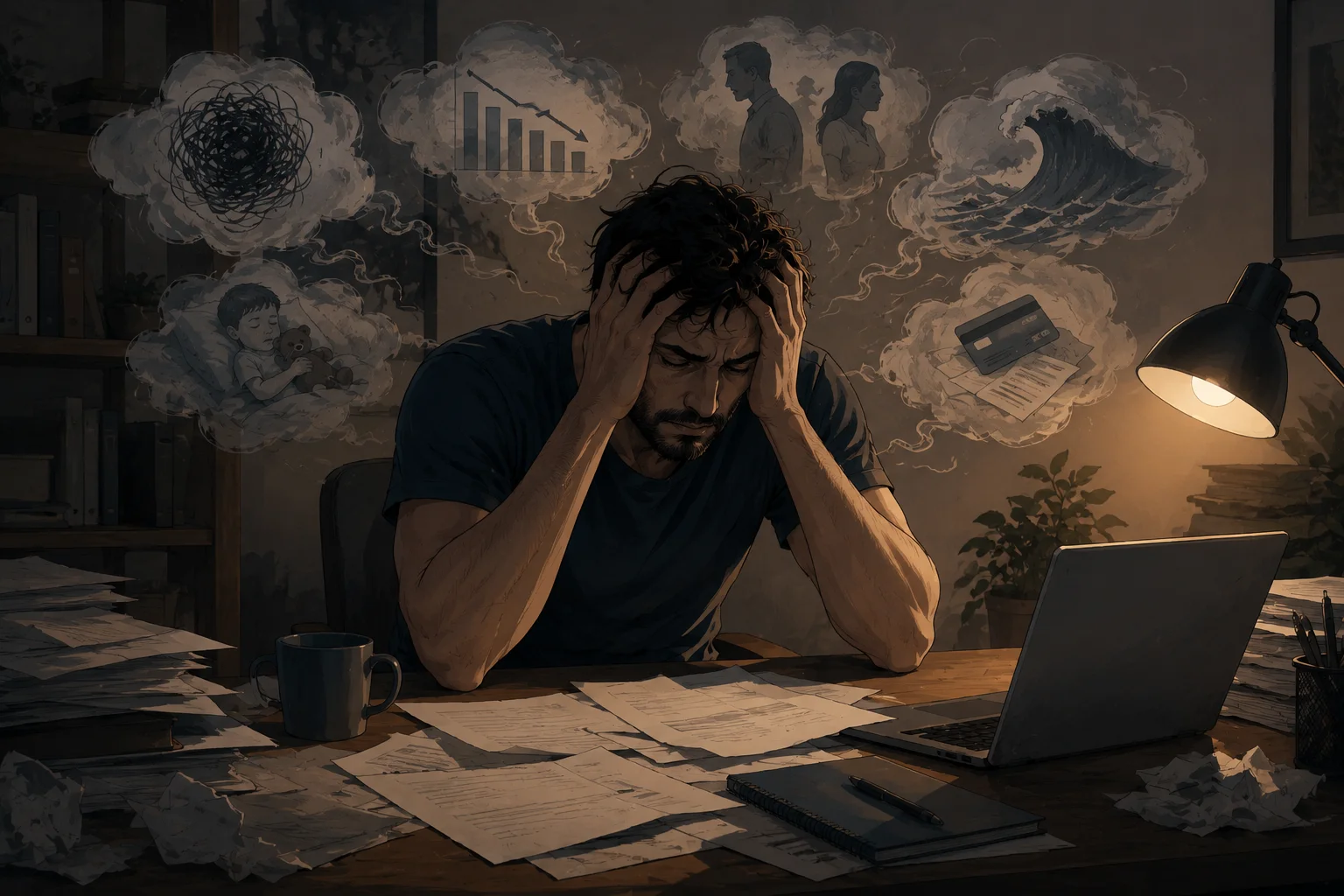
Stress and anxiety can have a significant impact on energy levels. When the body is under constant pressure, it produces stress hormones that keep the nervous system active. Over time, this continuous state of alertness can become mentally and physically draining.
Common Signs
- ✦ Constant worrying
- ✦ Muscle tension
- ✦ Trouble relaxing
- ✦ Sleep difficulties
- ✦ Mental exhaustion
What You Can Do?
- ◆ Practice relaxation techniques
- ◆ Exercise regularly
- ◆ Take breaks during the day
- ◆ Speak with a mental health professional
Poor Nutrition and Eating Habits
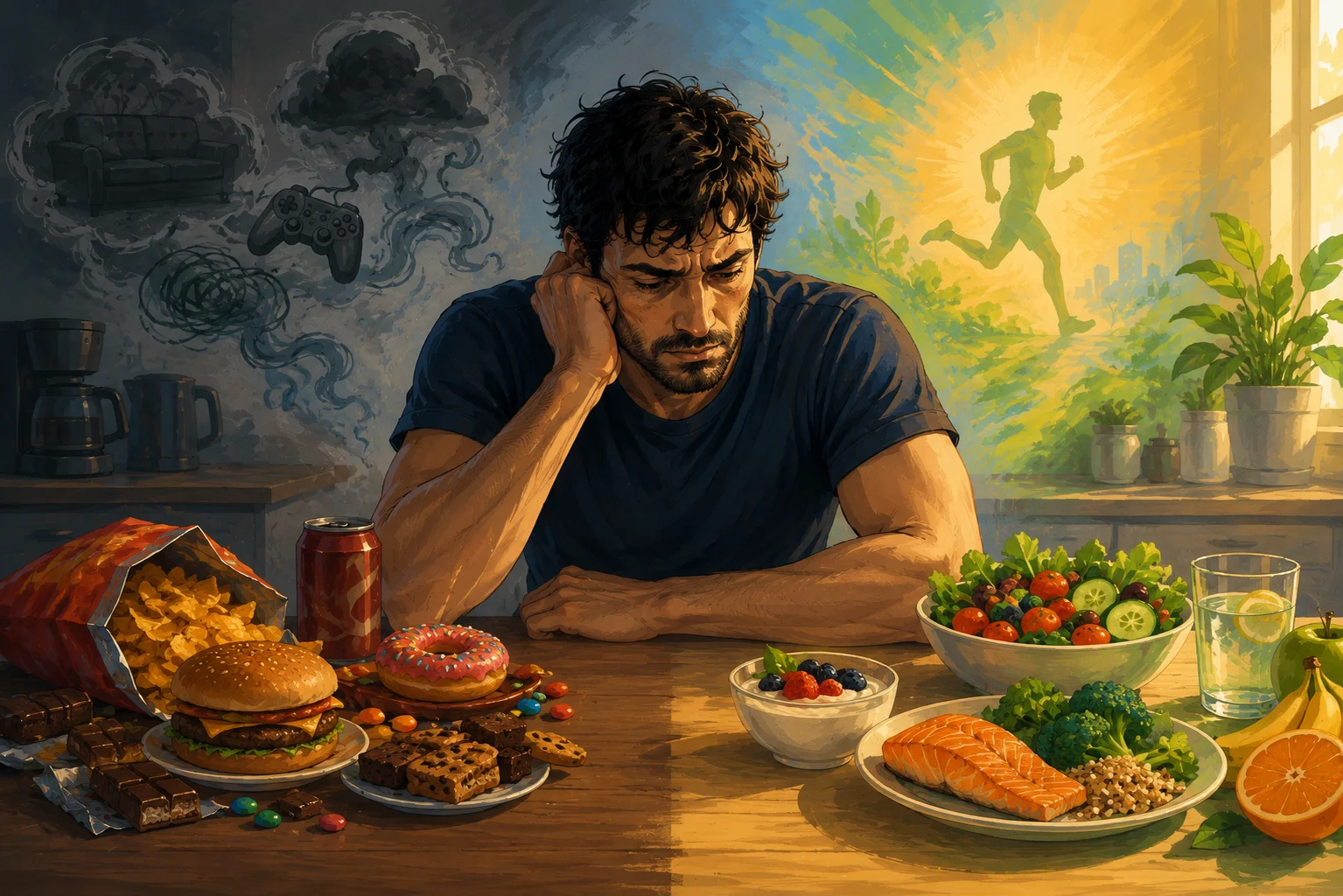
Your body relies on food for energy, and poor nutrition can contribute directly to fatigue. Diets high in processed foods, sugar, and unhealthy fats may provide temporary energy but often lead to crashes later. Missing meals or failing to consume enough essential nutrients can make it harder for the body to maintain steady energy levels throughout the day.
Common Signs
- ✦ Energy crashes after meals
- ✦ Frequent hunger
- ✦ Poor concentration
- ✦ Weakness or sluggishness
- ✦ Cravings for sugary foods
What You Can Do?
- ◆ Eat balanced meals regularly
- ◆ Include protein with each meal
- ◆ Increase fruit and vegetable intake
- ◆ Limit highly processed foods
Dehydration

Even mild dehydration can affect how your body functions and leave you feeling tired. Water is essential for circulation, temperature regulation, nutrient transport, and waste removal. When fluid levels drop, the body has to work harder to perform normal functions, which can contribute to ongoing fatigue and reduced energy levels.
Common Signs
- ✦ Dry mouth
- ✦ Headaches
- ✦ Dark urine
- ✦ Dizziness
- ✦ Reduced concentration
What You Can Do?
- ◆ Drink water consistently throughout the day
- ◆ Carry a reusable water bottle
- ◆ Increase fluids during hot weather
- ◆ Eat water-rich fruits and vegetables
Lack of Physical Activity
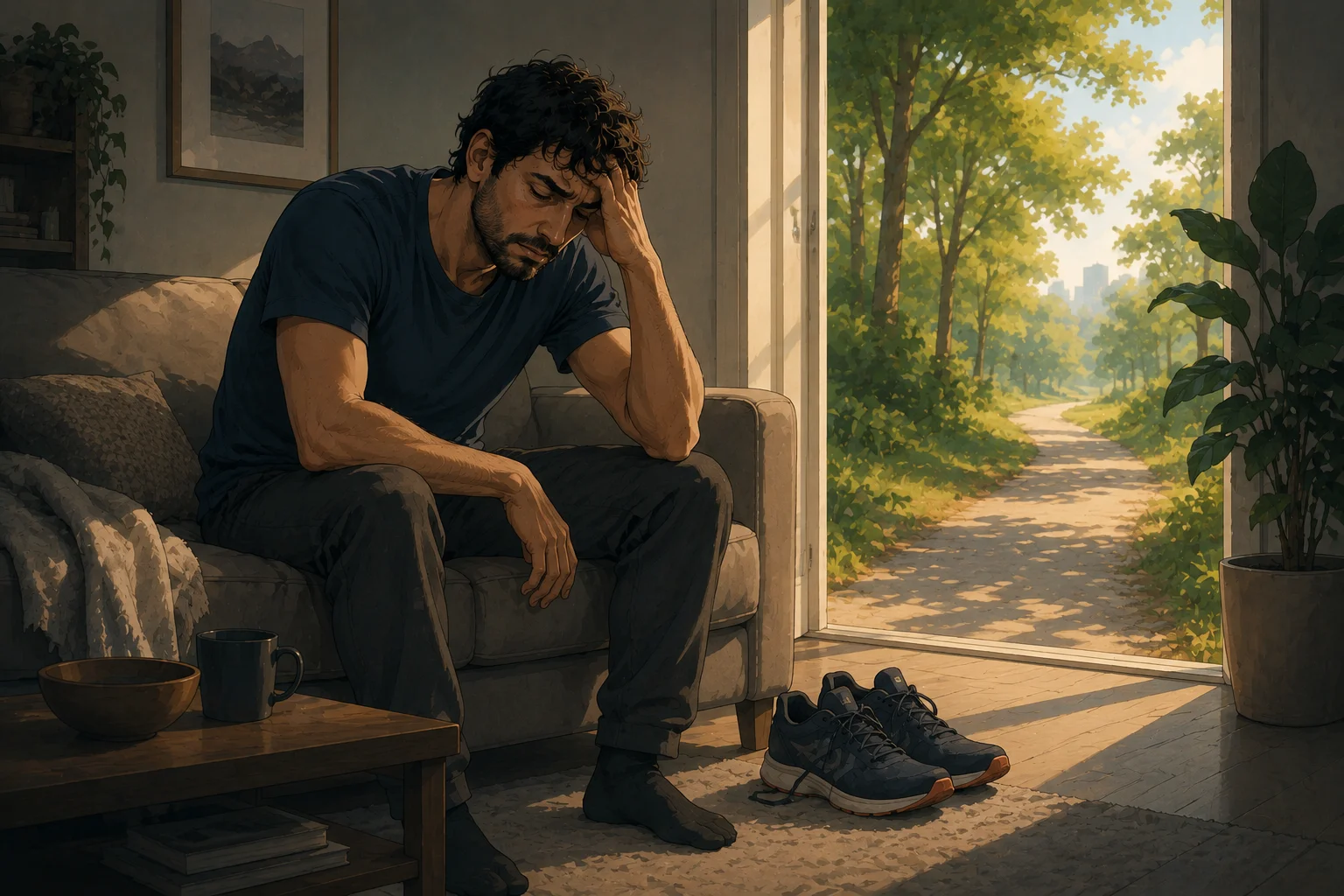
Although it may seem counterintuitive, being inactive can actually make you feel more tired. Regular movement helps improve circulation, cardiovascular health, oxygen delivery, and overall stamina. Physical activity also supports better sleep quality and helps reduce stress, both of which contribute to improved energy and wellbeing.
Common Signs
- ✦ Feeling sluggish most days
- ✦ Low stamina
- ✦ Poor physical fitness
- ✦ Stiff muscles and joints
- ✦ Reduced motivation
What You Can Do?
- ◆ Walk daily
- ◆ Take movement breaks at work
- ◆ Use stairs when possible
- ◆ Aim for regular weekly exercise
Iron Deficiency or Anemia

Iron deficiency and anemia are common causes of persistent tiredness. Iron helps produce haemoglobin, which carries oxygen through the bloodstream. When iron levels are low, the body’s tissues and organs receive less oxygen, resulting in fatigue and weakness. Blood tests can usually confirm whether iron deficiency is contributing to ongoing tiredness.
Common Signs
- ✦ Constant tiredness
- ✦ Pale skin
- ✦ Shortness of breath
- ✦ Dizziness
- ✦ Cold hands and feet
What You Can Do?
- ◆ Eat iron-rich foods
- ◆ Increase vitamin C intake
- ◆ Discuss symptoms with a doctor
- ◆ Consider blood testing if needed
Underlying Medical Conditions

Fatigue can sometimes be linked to an underlying medical condition rather than lifestyle factors alone. Conditions affecting the thyroid, heart, lungs, immune system, or blood sugar regulation can all contribute to low energy levels. If tiredness persists despite healthy lifestyle changes, it is important to seek medical advice to identify any possible underlying cause.
Common Signs
- ✦ Fatigue lasting several weeks
- ✦ Unexplained weight changes
- ✦ Persistent pain
- ✦ Shortness of breath
- ✦ Ongoing weakness
What You Can Do?
- ◆ Schedule a medical check-up
- ◆ Monitor additional symptoms
- ◆ Follow recommended testing
- ◆ Discuss concerns with a healthcare provider
Depression and Mental Health Challenges

Mental health can strongly influence physical energy levels. Depression, anxiety, and other emotional challenges often affect sleep, motivation, concentration, and overall wellbeing. Many people experiencing depression report feeling exhausted regardless of how much rest they get, making even simple daily tasks feel overwhelming.
Common Signs
- ✦ Persistent low mood
- ✦ Loss of motivation
- ✦ Difficulty concentrating
- ✦ Changes in sleep patterns
- ✦ Withdrawal from activities
What You Can Do?
- ◆ Reach out for support
- ◆ Maintain social connections
- ◆ Establish healthy daily routines
- ◆ Consider professional mental health care