Are You Wondering, “Why Am I Gay?”
Ever caught yourself staring a little too long at someone of the same gender and suddenly thought, “Wait… does this mean I’m gay?” You’re not alone, and you’re definitely not the first person to ask that. It’s one of the most natural questions to pop up during your personal journey of self-discovery.
The truth is, understanding your sexuality can feel like trying to read a book with half the pages missing. Between societal expectations, outdated sex-ed, and pop culture stereotypes, figuring out why you feel the way you do can be both confusing and enlightening.
But here’s the good news: asking “Why am I gay?” isn’t about finding a fault. It’s about uncovering the real you, without judgment, shame, or pressure. So, let’s unravel this together.
What Does It Actually Mean to Be Gay?
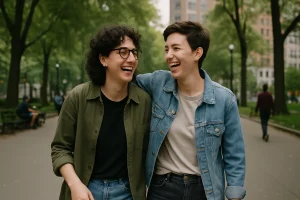
The word “gay” has been through a lot, historically, linguistically, and culturally. But today, in the simplest terms, being gay means feeling emotionally, romantically, or sexually attracted to people of the same gender.
That’s the headline. But there’s more to it.
Being gay isn’t just about who you fancy on a dating app. It can include who you daydream about, who you emotionally connect with, and even who you feel most yourself around. For many, it’s not just a label, it’s a core part of their identity.
It doesn’t always show up the same way for everyone. Some know they’re gay from childhood. Others may figure it out in their thirties.
There’s no set timeline and no rulebook. And there definitely isn’t a test you can take to get a certificate confirming it.
Is It Normal to Question Your Sexuality?
Absolutely.
Questioning your sexuality is so common that it’s basically a rite of passage. It’s a personal process, not a problem to be fixed.
People question their sexuality for all kinds of reasons. Maybe you’ve started noticing feelings you didn’t expect. Maybe a relationship didn’t feel quite right. Or maybe you’ve just realised that your attraction doesn’t line up with what you’ve been told is “normal.”
This doesn’t mean you need to come out tomorrow or slap a label on yourself immediately. It just means you’re being honest with yourself, something not everyone has the courage to do.
Most people questioning their sexuality go through stages. They may begin by noticing emotional or physical attractions to the same gender.
These thoughts often turn into reflection, then exploration, and sometimes acceptance. It’s a journey, and every journey looks a bit different.
Could I Be Gay, or Am I Something Else?
Here’s where things get even more interesting. Sexuality isn’t binary. It’s not a matter of being “gay” or “straight” with nothing in between.
There’s an entire spectrum, and where you land on it may change over time.
You might identify as:
- Gay – attraction to the same gender
- Bisexual – attraction to more than one gender
- Pansexual – attraction regardless of gender
- Asexual – little or no sexual attraction, though romantic feelings may still be present
- Questioning – not ready to choose a label just yet
Some people find labels helpful; others don’t. What matters most is understanding and honouring what feels right for you.
Fluidity is a key aspect of human sexuality. That means your attractions and feelings might shift. This doesn’t make them any less valid. It just means you’re growing, learning, and experiencing life.
What Causes Someone to Be Gay?

If you’re trying to find a neat, scientific answer to why you’re gay, you’re going to hit some grey areas. Because truthfully, researchers haven’t landed on one single cause, and they probably never will.
The general consensus in the scientific and psychological community is that being gay isn’t caused by one thing but by a combination of factors.
These may include:
- Genetics – Twin studies suggest there might be hereditary factors at play.
- Hormonal Influences – Exposure to certain hormones in the womb may influence later attractions.
- Brain Structure – Some differences in brain structure have been observed between gay and heterosexual individuals.
- Environmental and Social Factors – While upbringing doesn’t make someone gay, early experiences can shape how we understand and express ourselves.
Here’s what we do know: being gay isn’t a choice, a rebellion, or the result of watching too much queer content on Netflix. You didn’t decide it. It’s not a phase. And nothing or no one “made” you this way.
What Does the Coming Out Process Look Like?
Coming out can be exciting, terrifying, liberating, and exhausting, all at once. It’s not a single moment but often a series of decisions over time. Some come out to friends before family. Others choose to stay private. Both are valid.
The journey often includes:
- Self-realisation – The moment you recognise your feelings
- Internal dialogue – Working through what it means for you
- Selective sharing – Telling a trusted friend or two
- Broad disclosure – Letting others in when you feel ready
The experience varies widely. Some are met with love and support. Others, unfortunately, face rejection or misunderstanding.
There’s also the challenge of internalised homophobia, those sneaky negative beliefs about being gay that society slips into your subconscious.
A big part of coming out is unlearning those messages and embracing your identity with confidence.
Does Being Gay Affect Your Mental Health?
Not inherently. Being gay, in itself, isn’t a mental health issue. But the way society treats LGBTQ+ people?
That can have an impact.
Studies consistently show that LGBTQ+ individuals are more likely to experience anxiety, depression, and suicidal thoughts, especially if they lack acceptance from family, community, or peers.
This doesn’t mean being gay causes mental health problems. It means living in a world that isn’t always inclusive does. The more acceptance and support someone has, the better their mental health tends to be.
That’s why community matters. That’s why therapy matters. And that’s why affirming environments, where people feel seen and safe, can literally be life-saving.
Can Sexuality Change Over Time?
Yes, and that’s completely okay.
Some people feel same-gender attraction early on and never question it. Others may spend years identifying as one thing before realising something else fits better. Neither is more “real” or more “legit.”
Sexuality is deeply personal. It can shift with time, experience, and emotional growth. That doesn’t make your past feelings invalid, it just means you’re human.
What’s important is not to let pressure (from society, family, or even your own past assumptions) push you into being someone you’re not anymore.
Where Can You Find Support While Exploring Your Sexuality?
Navigating your sexuality can feel isolating, but you’re far from alone. There are organisations, communities, and people ready to support you, both online and in person.
Here’s a quick look at some UK-based resources that can help:
| Organisation | What They Offer | Website |
| Stonewall | LGBTQ+ rights, advice, and educational resources | stonewall.org.uk |
| Switchboard Helpline | Confidential support via phone, email, or chat | switchboard.lgbt |
| MindOut | LGBTQ mental health support and counselling | mindout.org.uk |
| The Proud Trust | Youth-focused LGBTQ+ support and education | theproudtrust.org |
You can also find support through local community groups, school or university LGBTQ+ societies, and safe online platforms like Reddit, Discord servers, and inclusive mental health apps.
Can You Just Accept That Being Gay Is Completely Normal?
Yes, you can. In fact, you should.
The idea that there’s something wrong, broken, or weird about being gay has been pushed by outdated systems, not by truth. Modern science, psychology, and human rights all agree: being gay is a natural variation of human identity.
You don’t owe anyone an explanation for your feelings. You don’t need to justify your identity. You just need to live your truth as fully and safely as you can.
And honestly, the world is better with you in it, exactly as you are.
Table: How Different Sexual Orientations Compare
| Orientation | Description | Emotional Attraction | Sexual Attraction | Fluidity |
| Gay | Same-gender attraction | Yes | Yes | Sometimes |
| Bisexual | Attraction to multiple genders | Yes | Yes | Often |
| Pansexual | Attraction regardless of gender | Yes | Yes | Yes |
| Asexual | Little or no sexual attraction | Sometimes | Rare or None | Yes |
| Questioning | Unsure or exploring | Varies | Varies | Yes |
Frequently Asked Questions
How do I know if I’m really gay or just confused?
Confusion is a natural part of figuring things out. If your feelings for the same gender are consistent and meaningful, it may be more than a passing thought.
Can someone become gay later in life?
You don’t become gay; you realise you’ve always been that way. Some people suppress or ignore their feelings until they’re ready to accept them.
Is it wrong to not want to label myself?
Not at all. Labels are helpful for some but not mandatory. You get to define your identity—or not—on your terms.
What if my friends or family don’t accept me?
That can be painful, but your identity isn’t invalidated by their lack of understanding. Support from LGBTQ+ communities can help you navigate those challenges.
Can therapy change my sexuality?
Ethical therapy does not, and should not, try to change sexuality. So-called “conversion therapy” is harmful and widely condemned.
How do I come out safely?
Start with someone you trust. Plan your words, choose your moment, and prioritise your safety. Not everyone deserves access to your truth right away.
Why is it still so hard to be gay in some places?
Cultural norms, religion, and outdated laws still affect LGBTQ+ rights globally. But advocacy, awareness, and visibility are creating real change.